CloseCloseCloseCloseCloseCloseCloseClose
Governed AI

Governed AI for
high-stakes
regulated domains.

Healthcare. Financial Services. Critical Infrastructure.

We build AI systems where intelligence alone is not enough — decisions must be bounded, auditable and accountable.

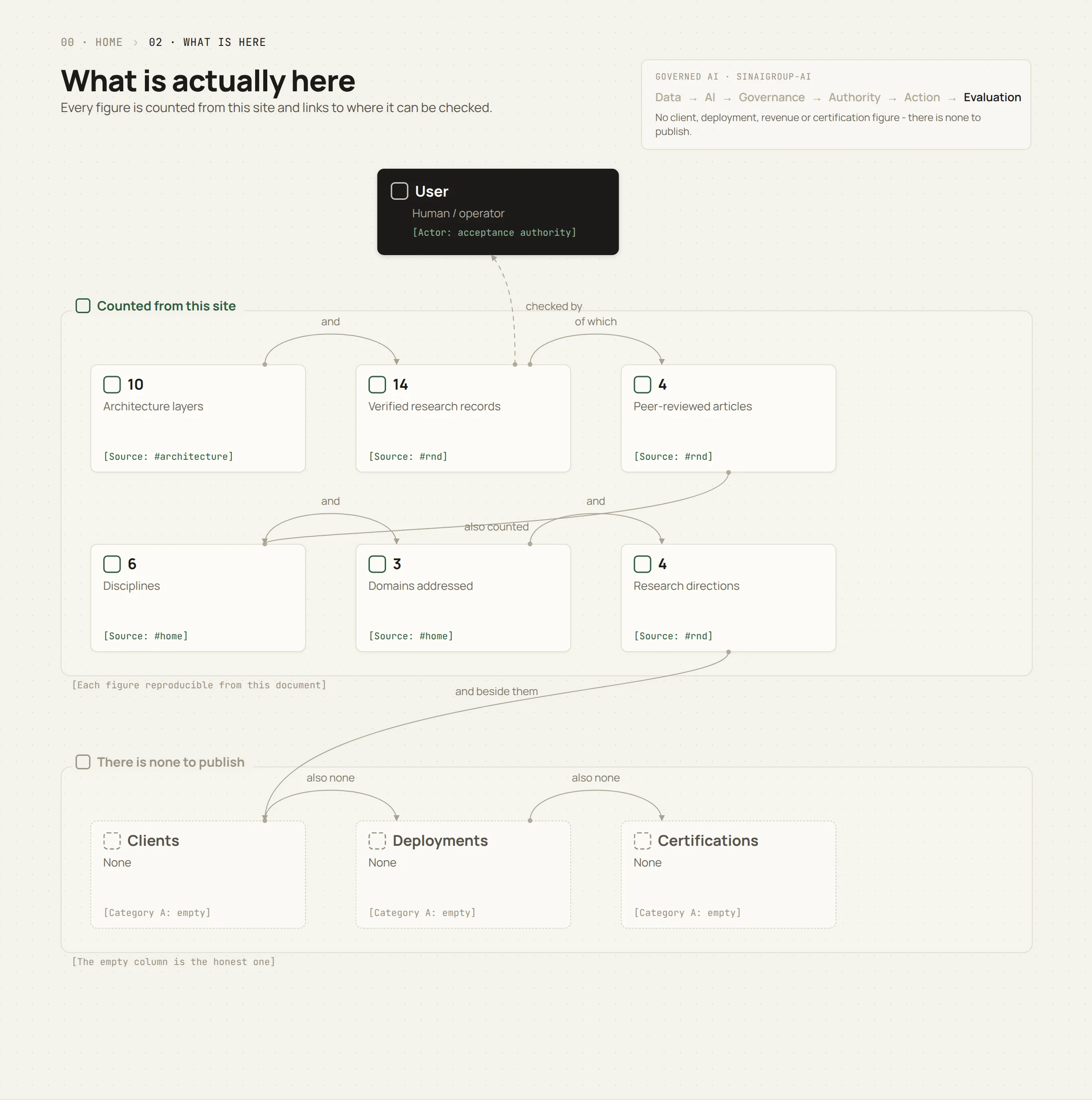
What is actually here

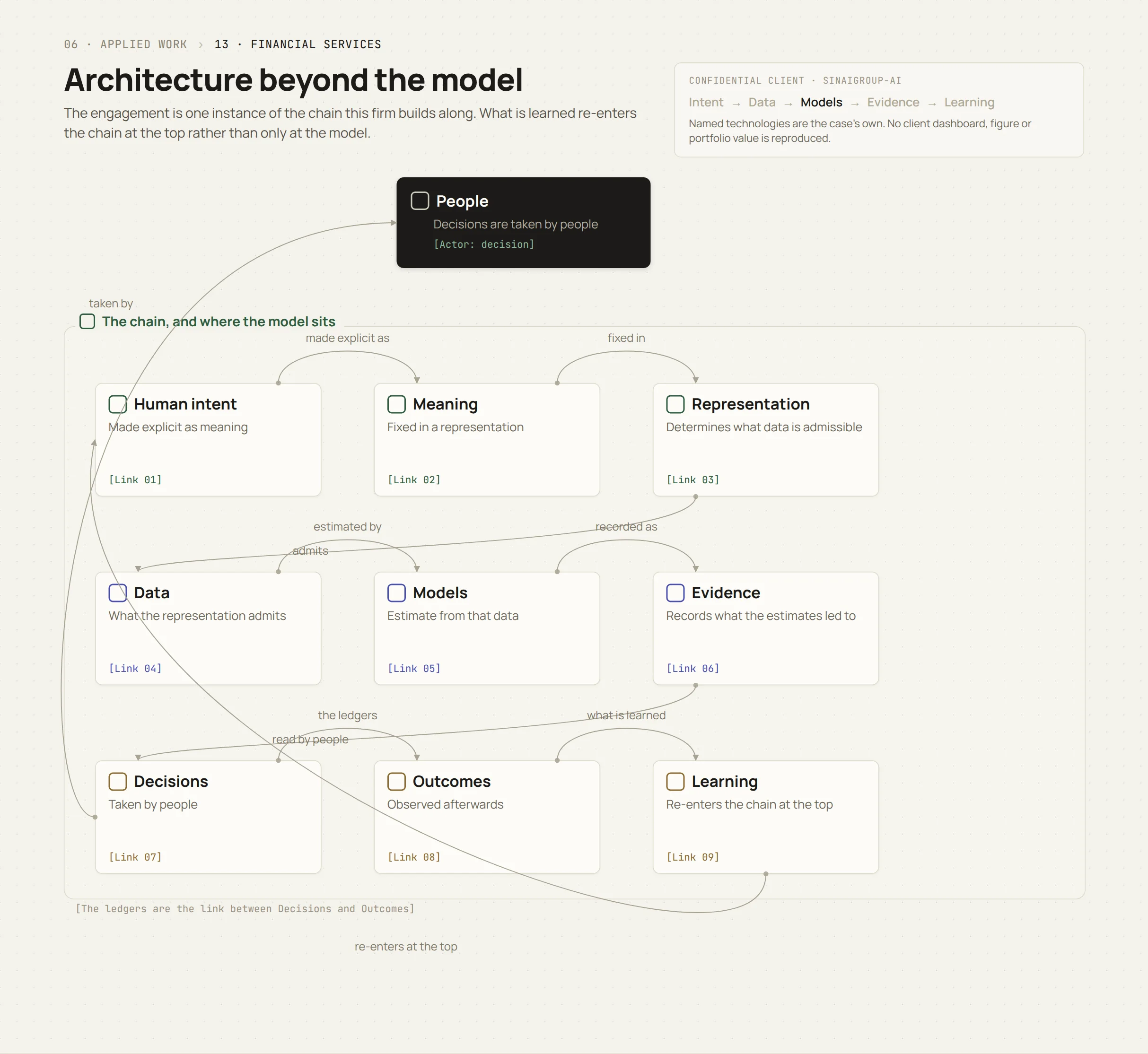
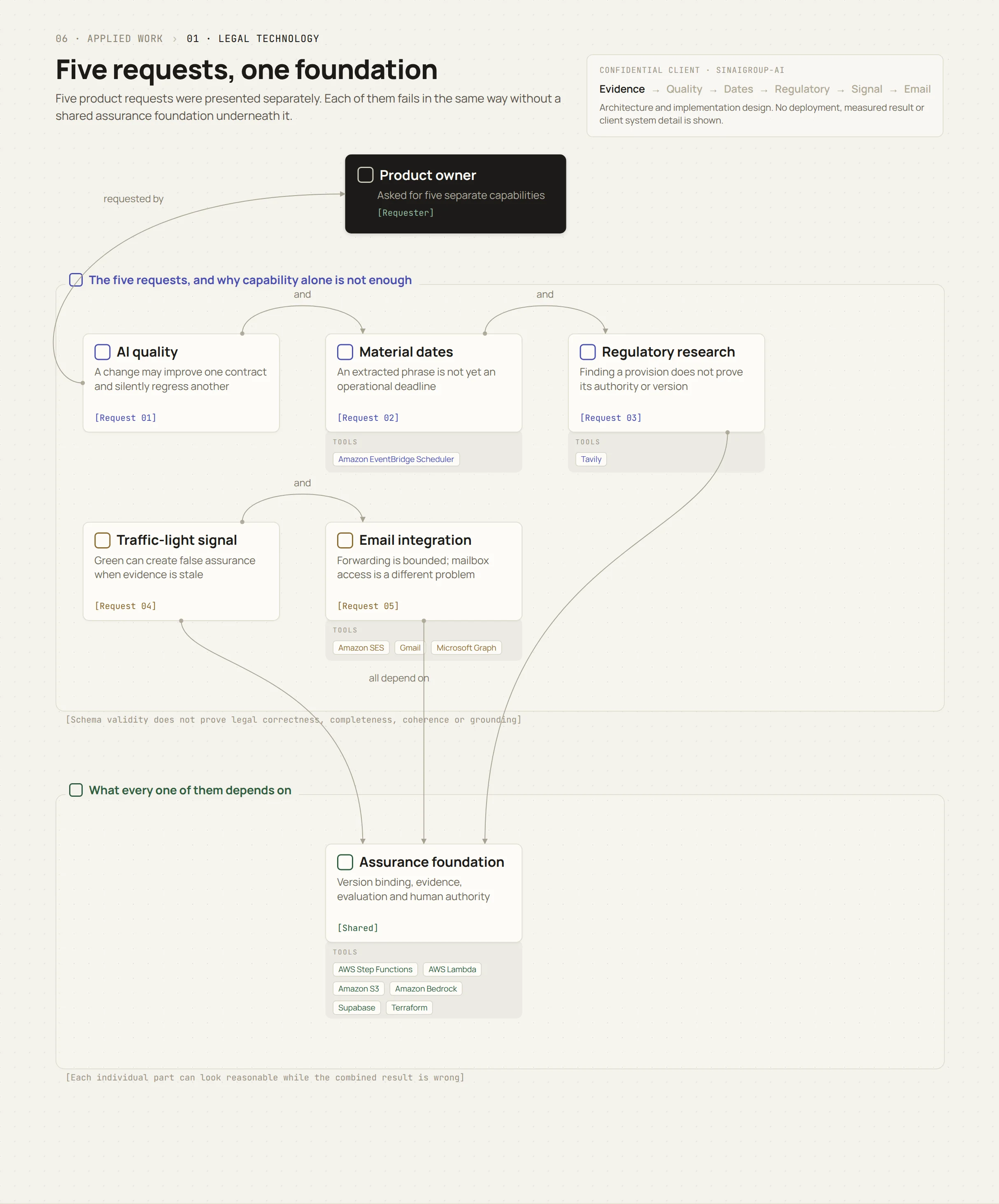
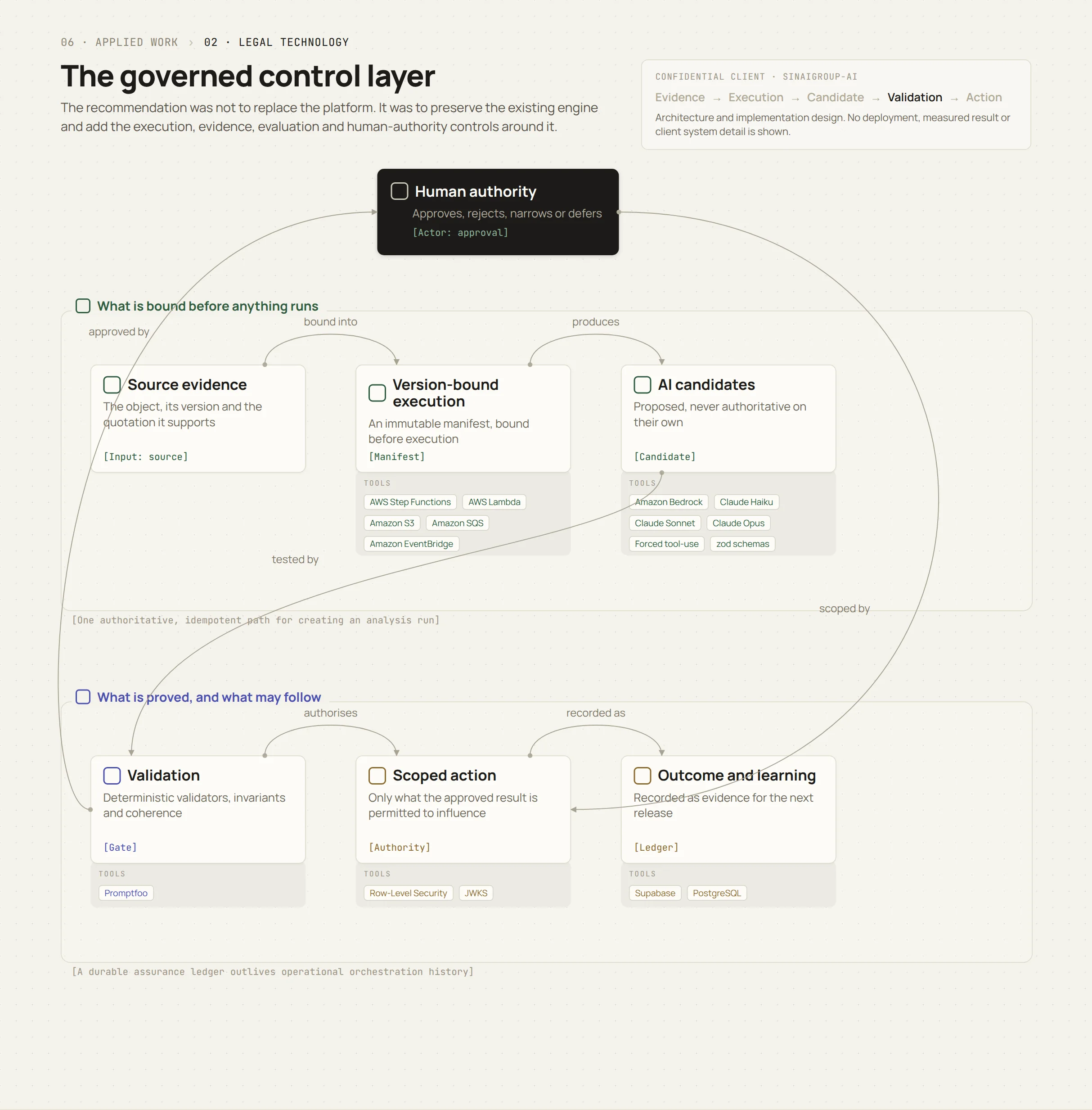
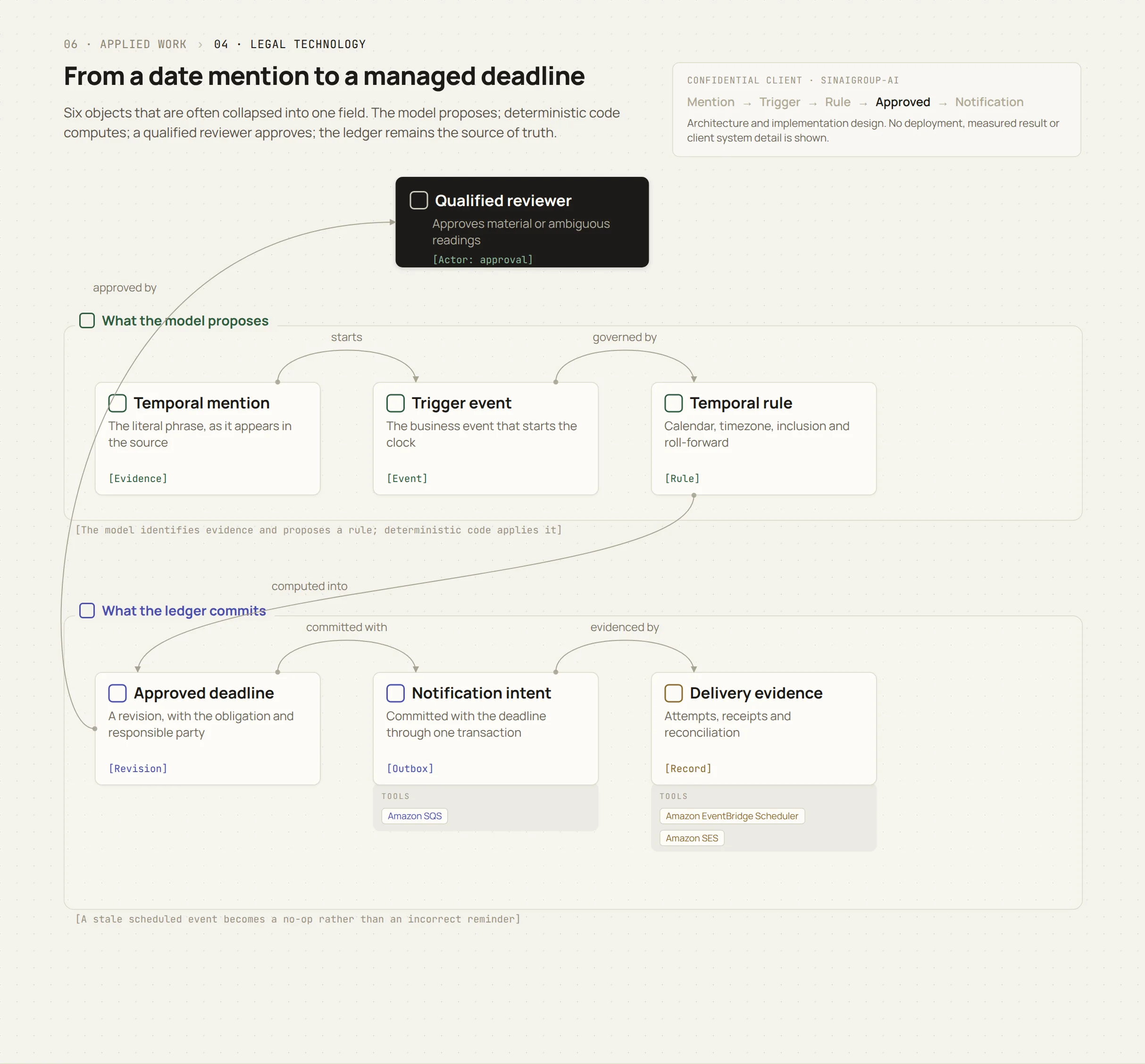
Every figure on this site is
counted, not claimed

Counted from this document and reproducible from it. The commercial record is explicit: no signed client contracts, no production deployments and no certifications claimed. Pre-contract technical work is labelled as such.
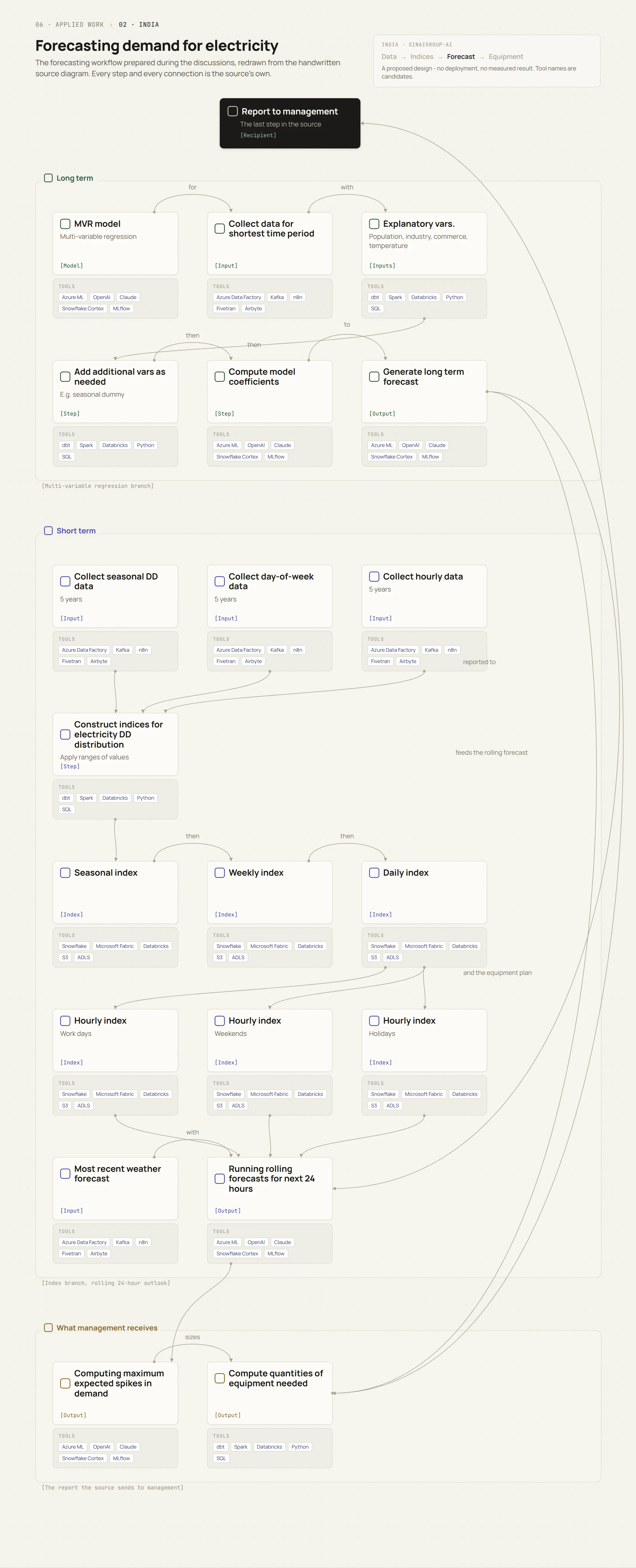
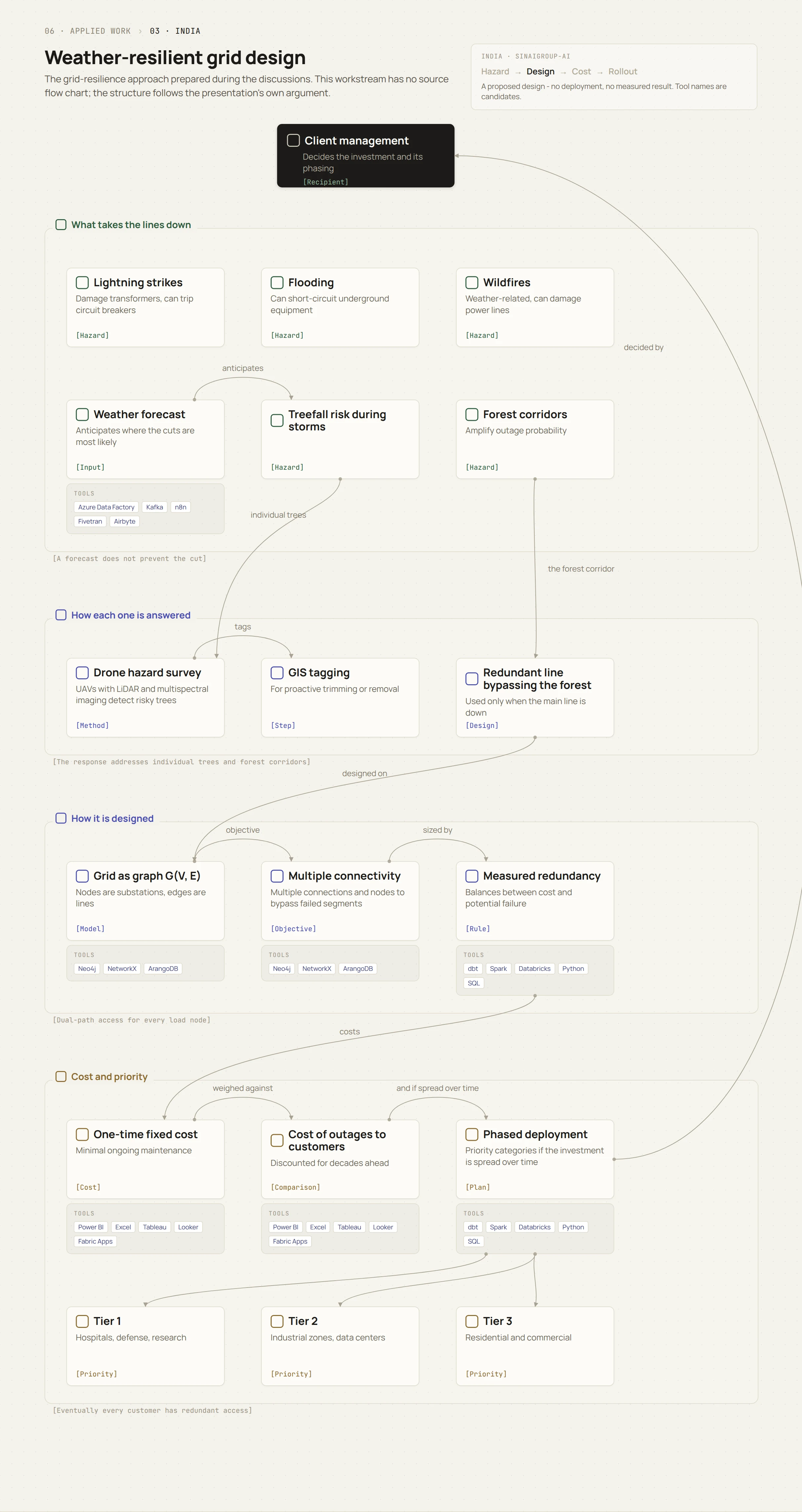
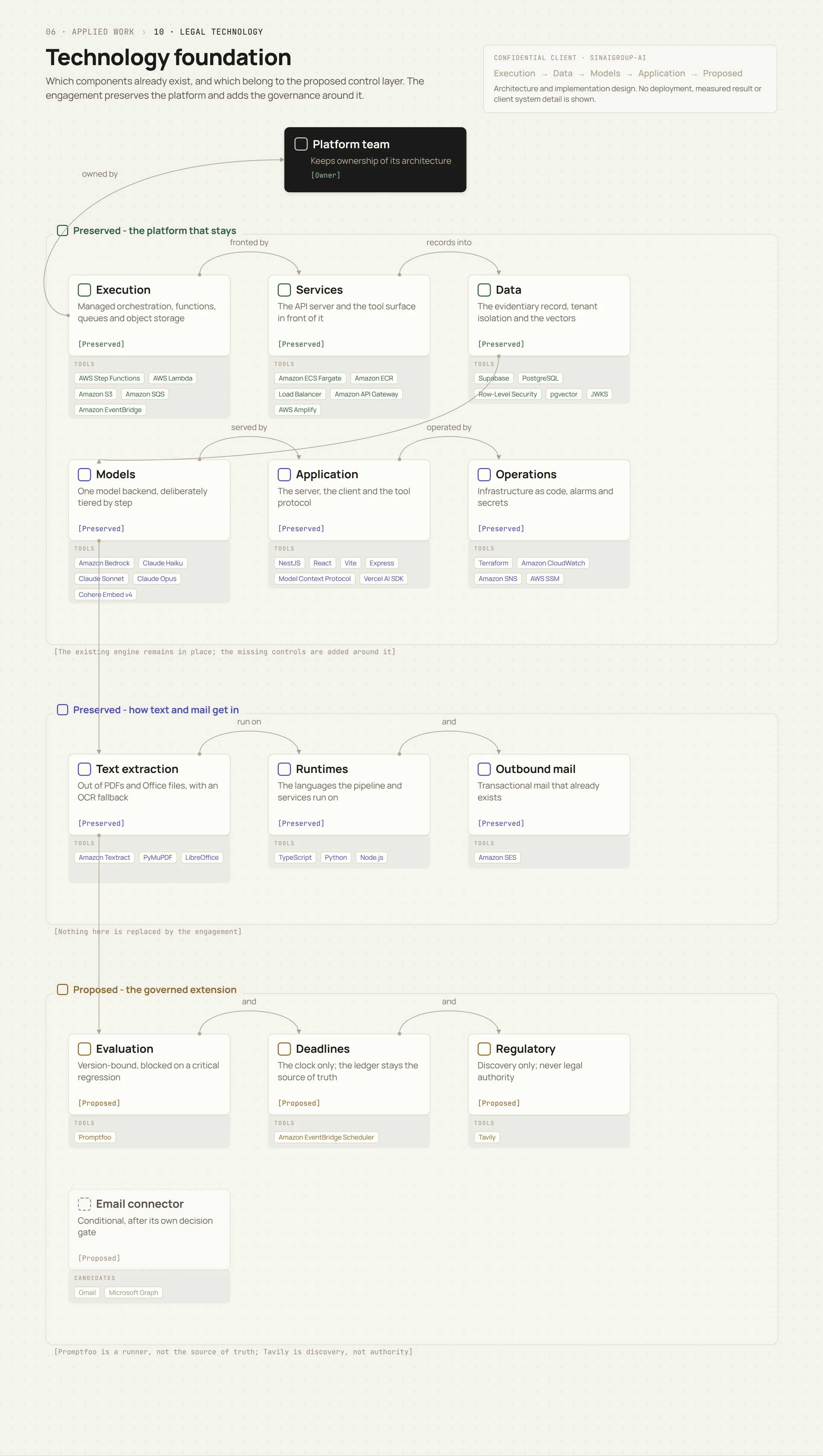
What is actually here — diagram
Open and zoom ↗
The method

The domain changes.
The governance problem does not.

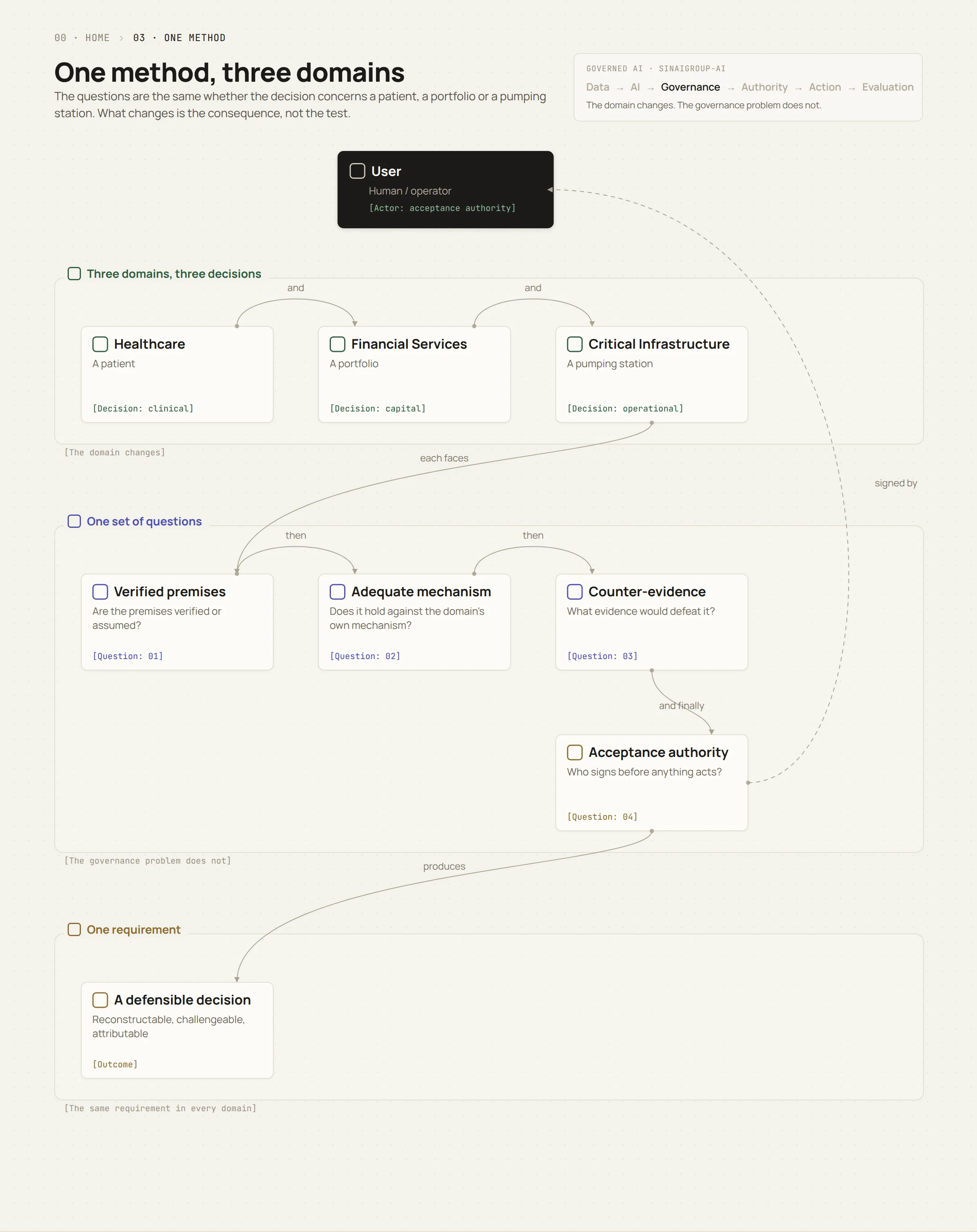
The questions are the same whether the decision concerns a patient, a portfolio or a pumping station. What changes is the consequence, not the test.

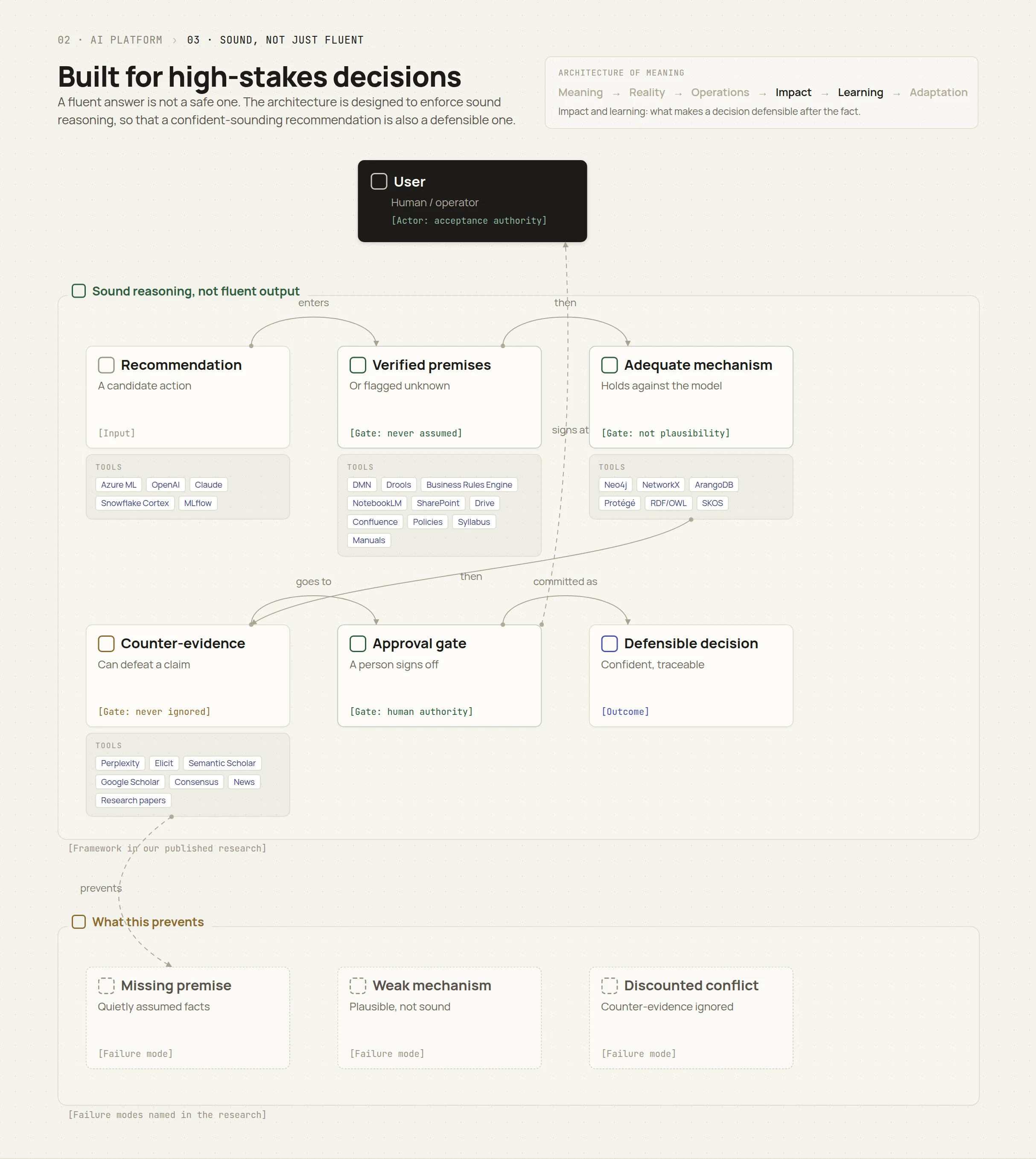
One method, three domains: a decision about a patient, a portfolio or a pumping station each faces the same four questions — are the premises verified or assumed, does it hold against the domain’s own mechanism, what evidence would defeat it, who signs before anything acts — and each must produce a decision that is reconstructable, challengeable and attributable. The domain changes; the governance problem does not.
Open and zoom ↗
01

Are the premises verified or assumed?

A recommendation inherits the status of what it rests on. Premises that were assumed rather than checked do not become facts because a model was fluent about them.
02

Does the recommendation hold against the domain’s own mechanism, not merely against plausibility?

Plausibility is a property of language. Adequacy is a property of the domain — physiology, market structure, hydraulics. The second is the one that decides whether an action is safe.
03

What evidence would defeat it?

A conclusion that nothing could overturn is not a conclusion. Stating in advance what would falsify a recommendation is what makes it possible to challenge it later.
04

Who signs before anything acts?

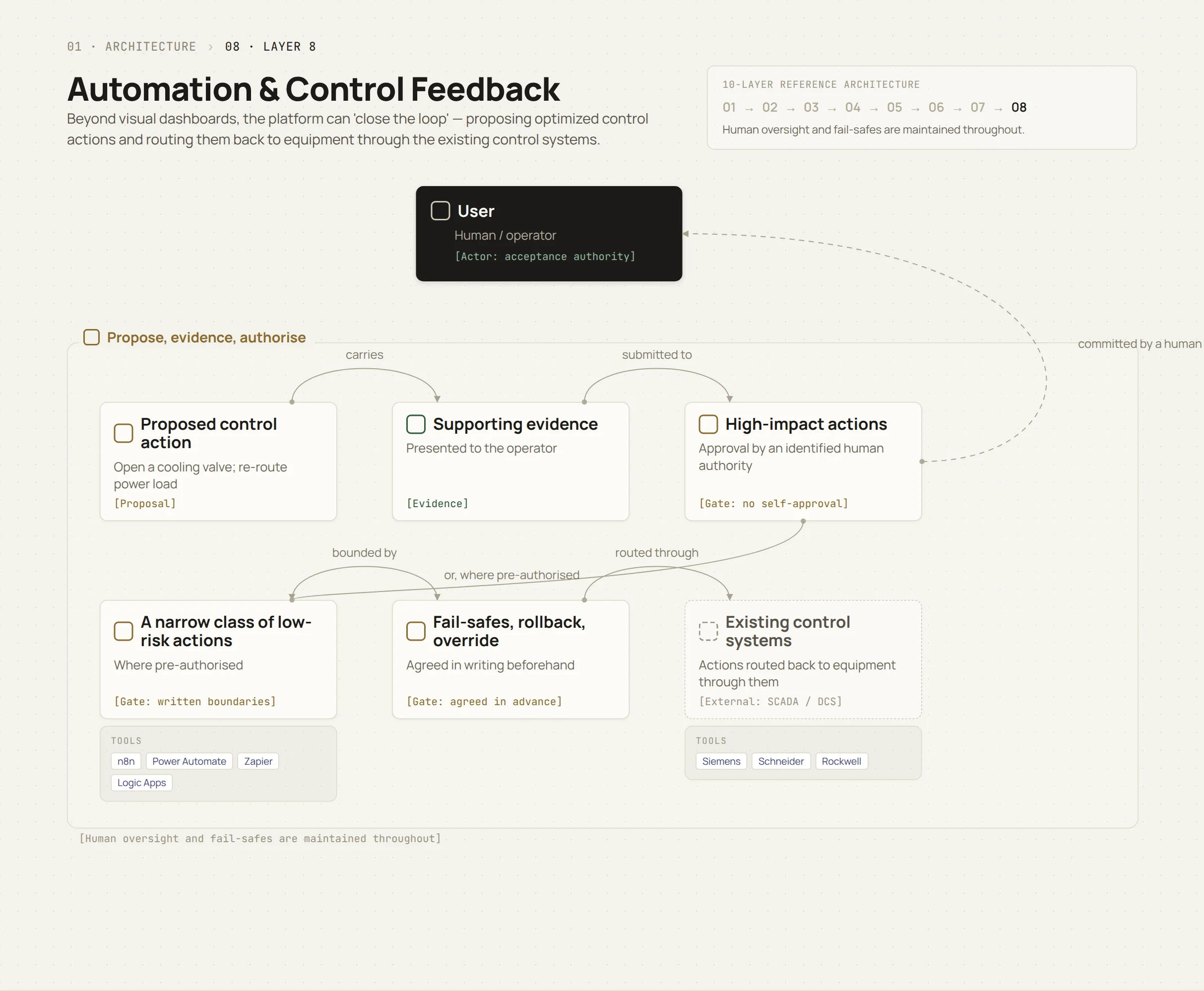
Between a recommendation and an action there is an identified human with authority, or an explicit pre-authorised boundary. There is no third option.
See a governed decision
Status: Reference architecture

One decision,
step by step

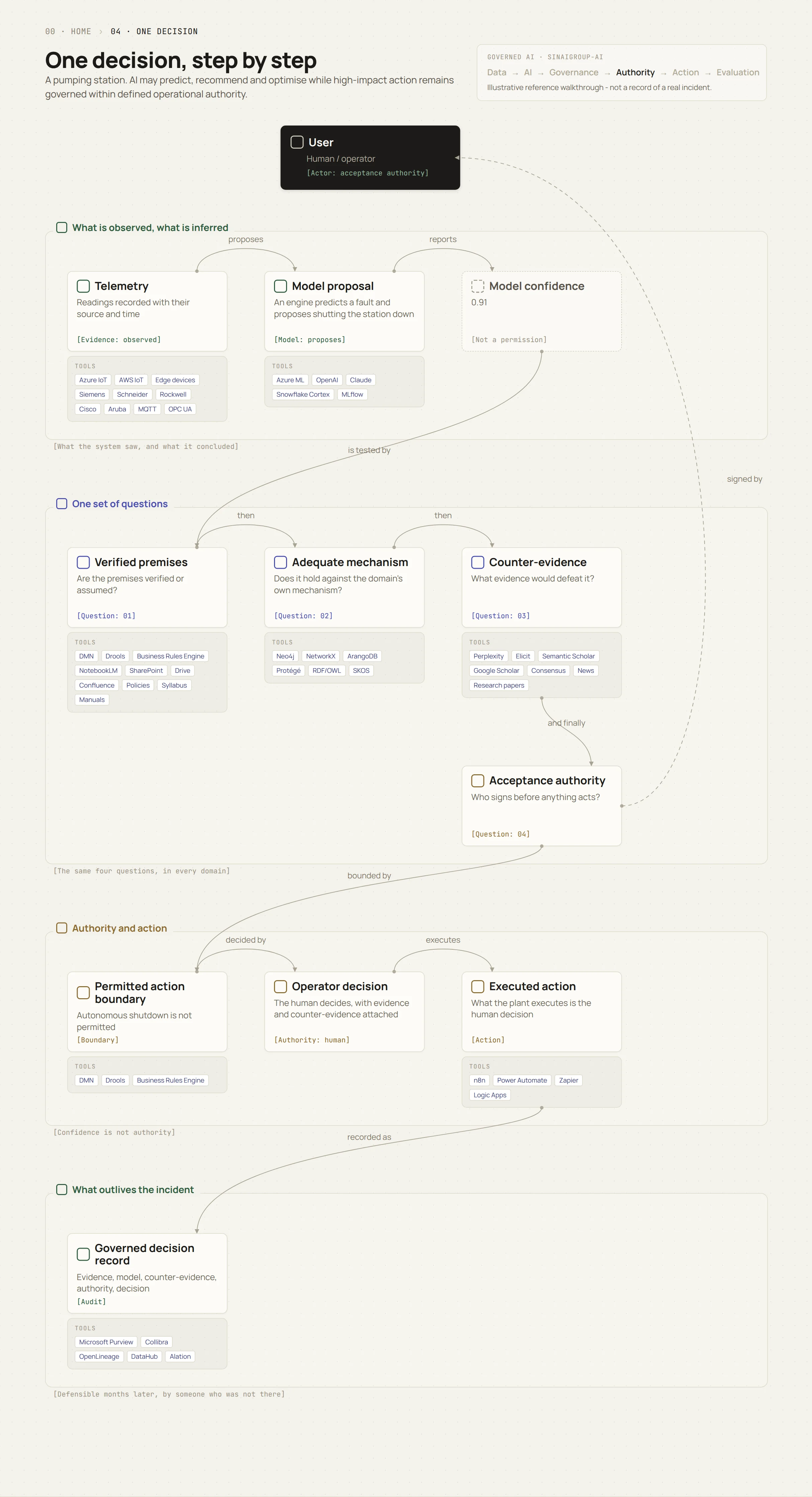
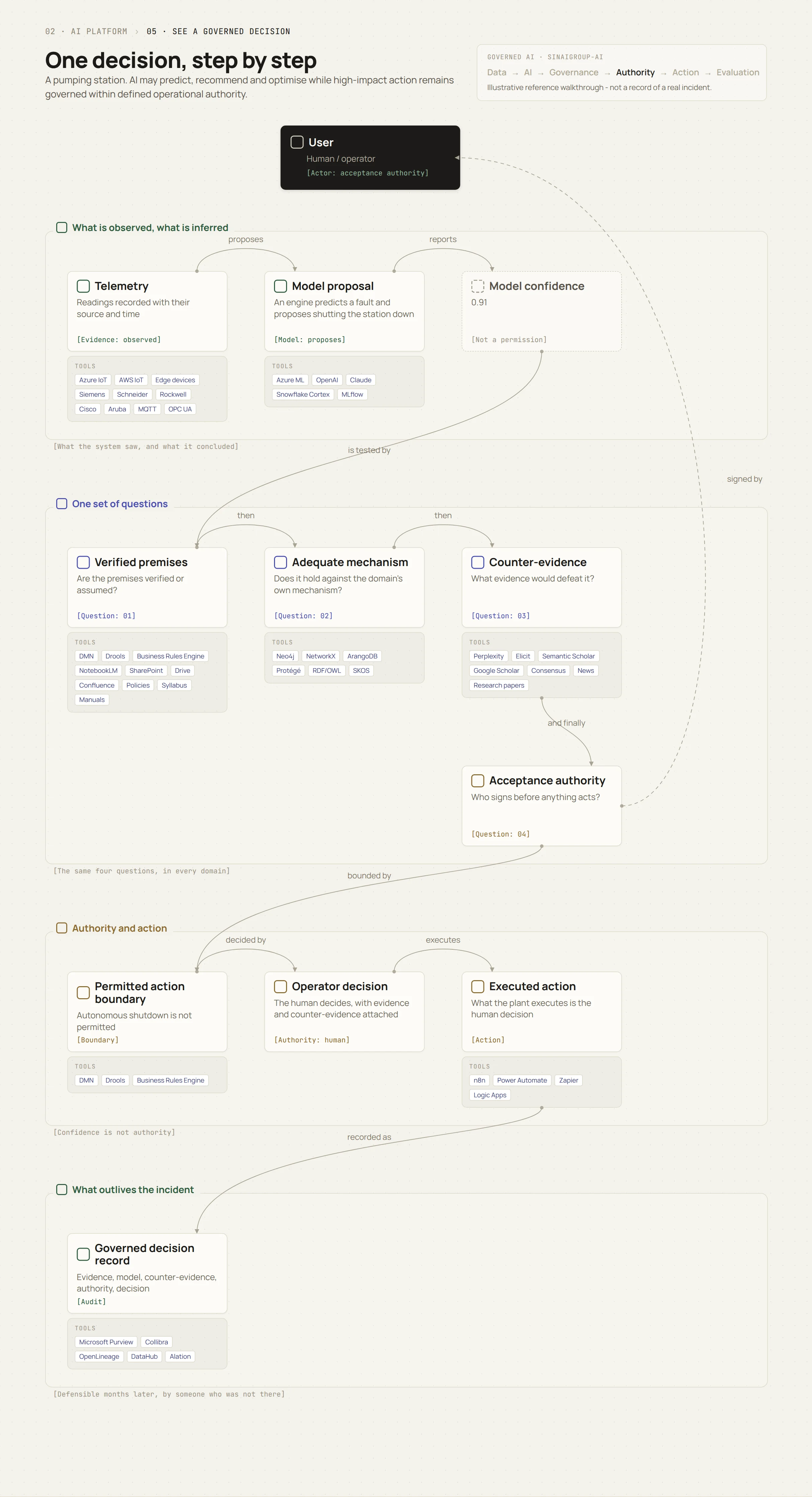
A pumping station. From the first reading to the record that outlives it — and the point where model confidence stops and human authority begins.

Reference scenario — illustrative, not a deployment.

One decision, step by step — diagram
Open and zoom ↗
The record it produces

A decision you can
defend afterwards

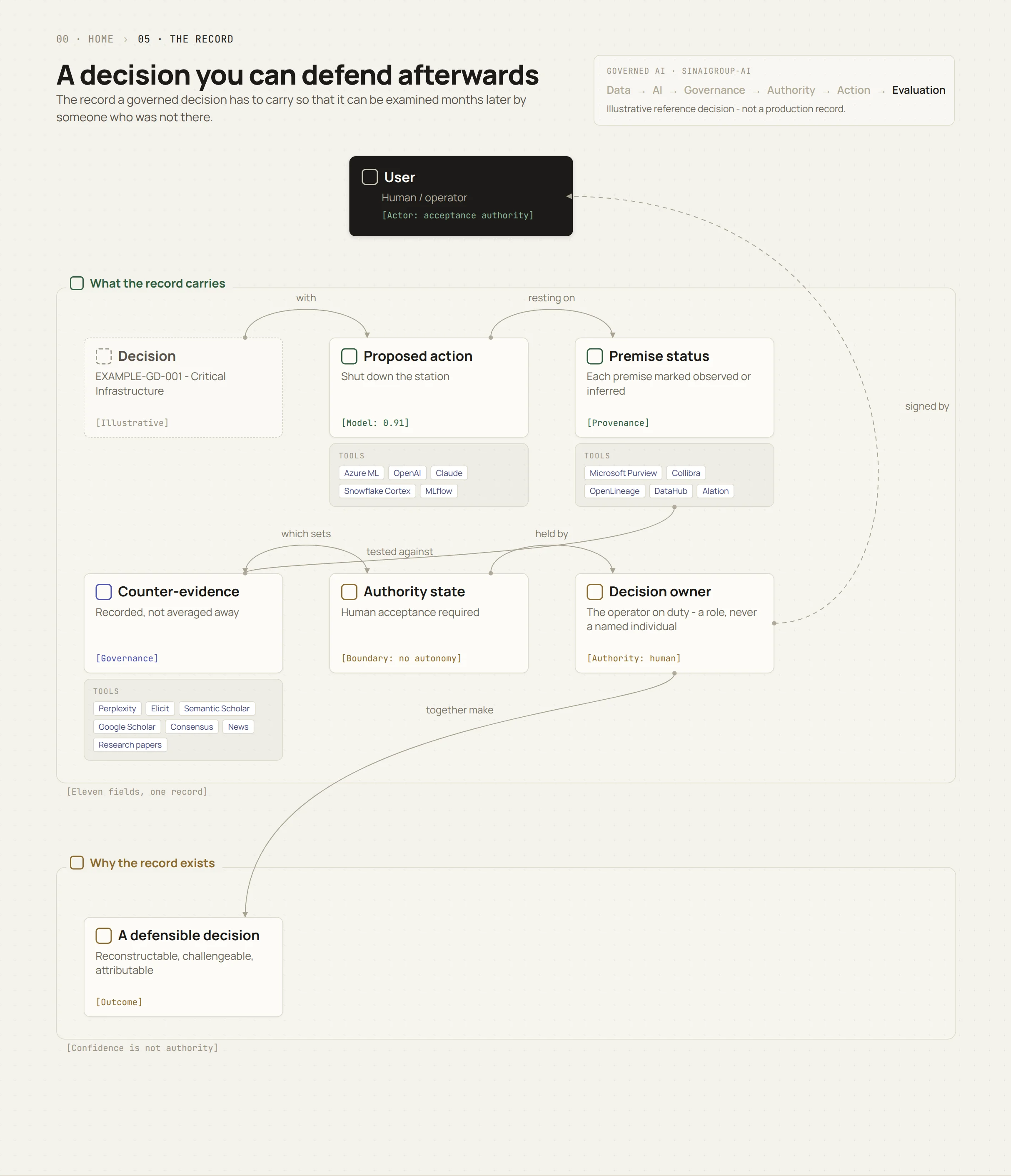
What a governed decision has to carry so that it can be examined months later by someone who was not there.

A decision you can defend afterwards — diagram
Open and zoom ↗
About us

Founder-led, by design

SINAIGROUP-AI is a founder-led AI technology company building governed AI platforms for high-stakes regulated domains.

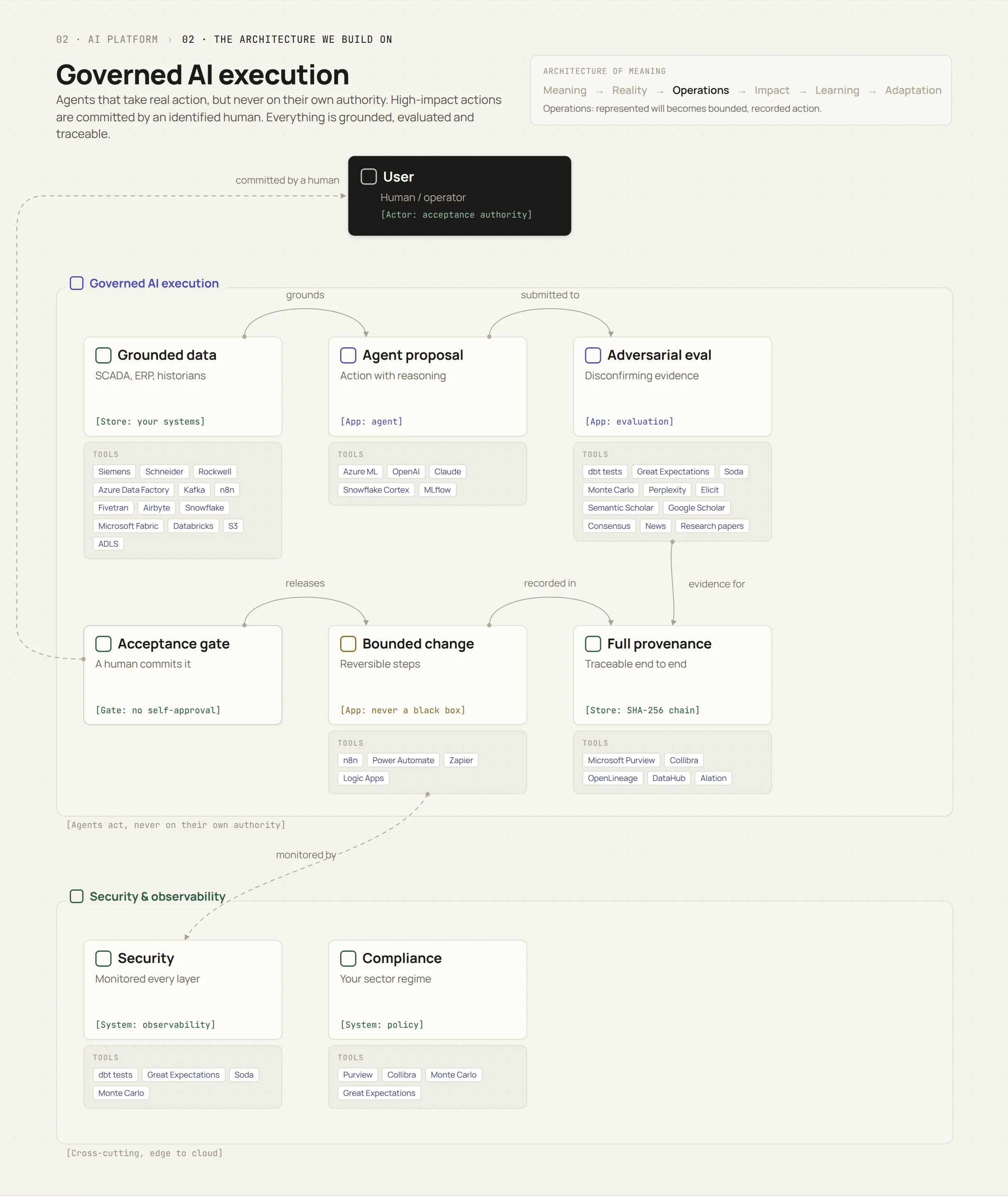
The platform we are building is the control layer between AI models and operational decisions: provenance, evaluation, human authority, bounded execution and an auditable record of every decision. Architecture, integration, implementation and domain adaptation are the professional services around it.

We work across healthcare, financial services and critical infrastructure — three environments in which an AI decision may affect a patient, capital, regulatory obligations or an essential physical system.

Our work begins not only with what an AI system can do, but with what it should be permitted to do, under whose authority and on what evidence.

How we realise it

How we realise
governed AI

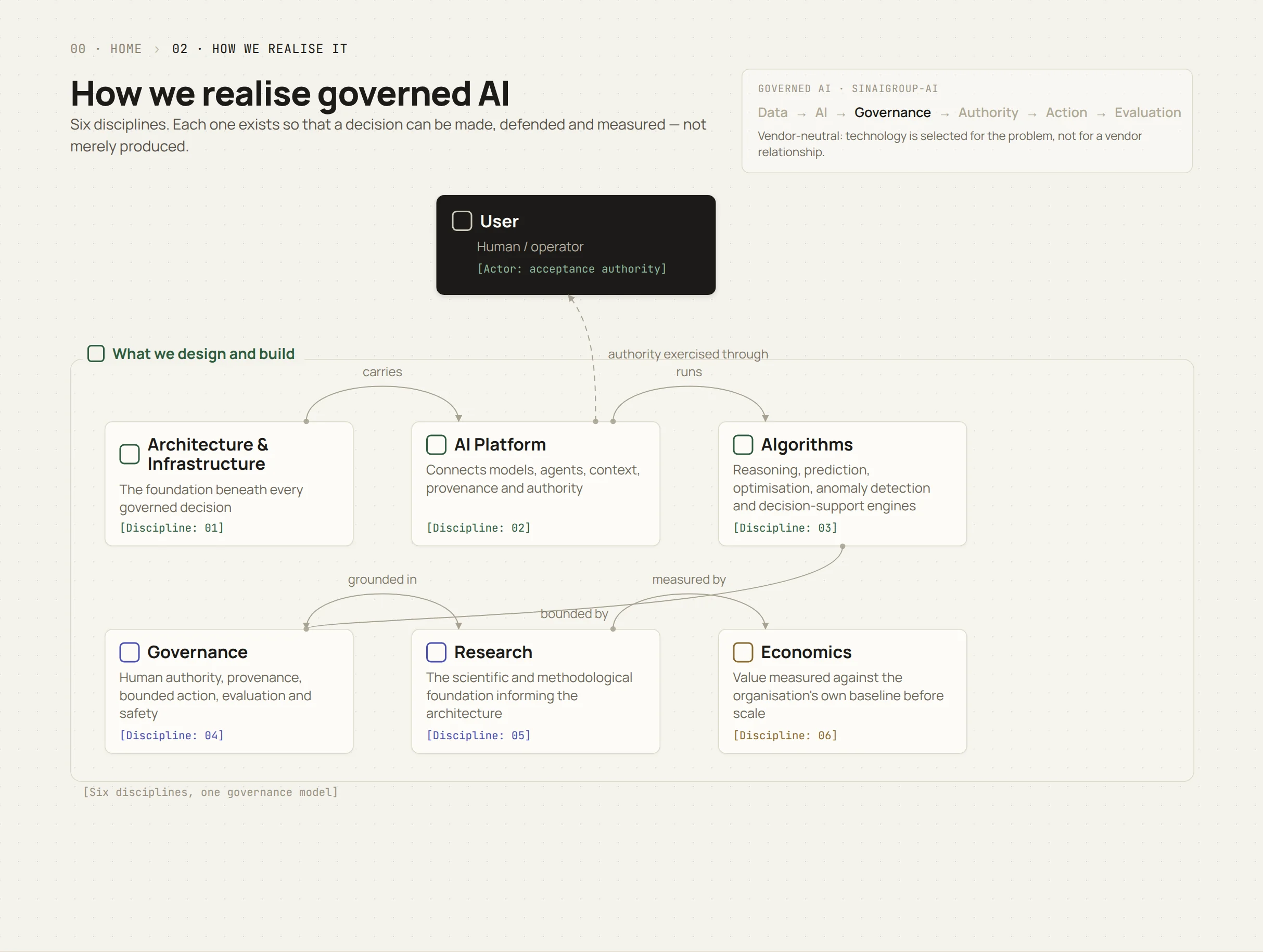
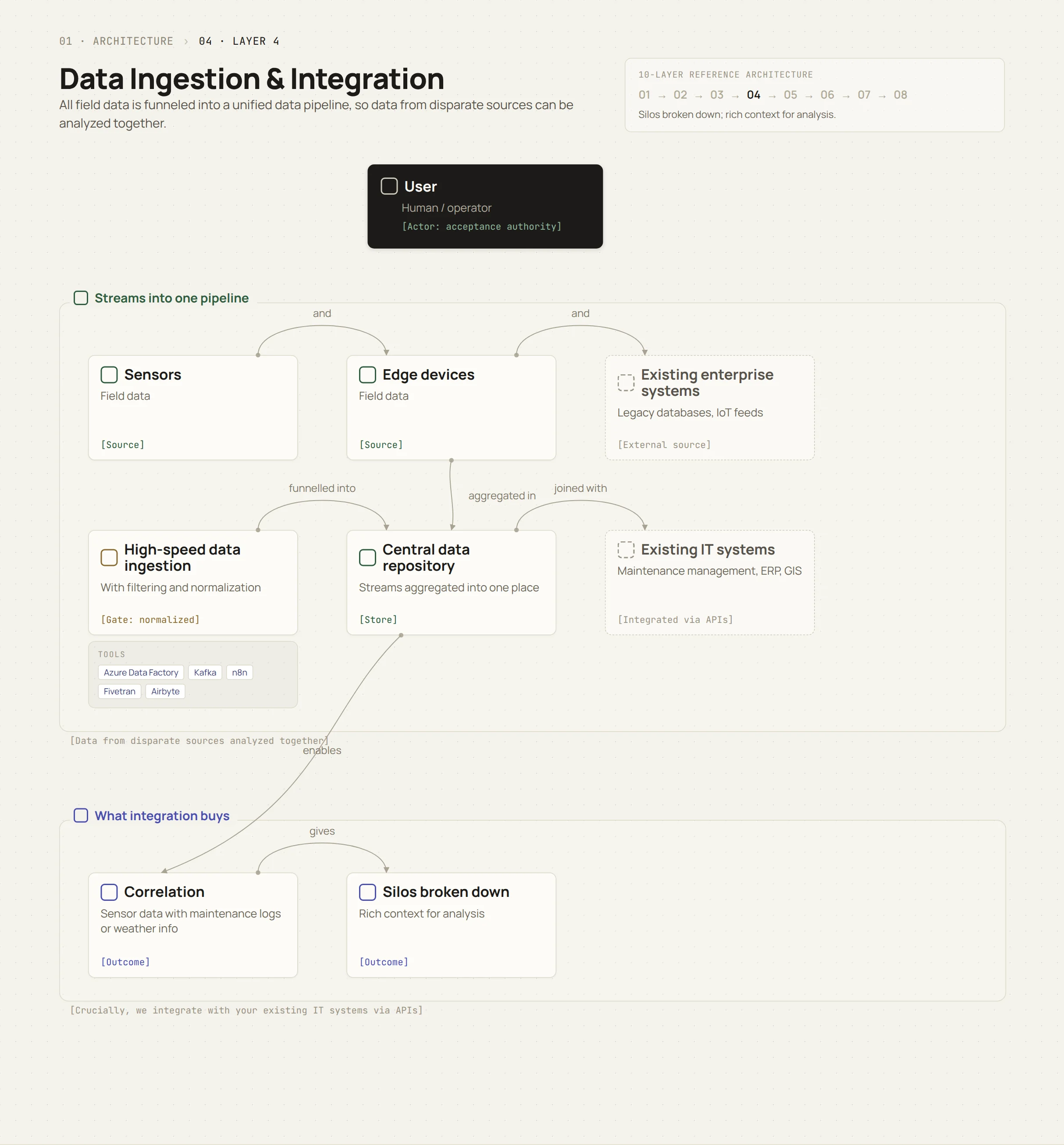
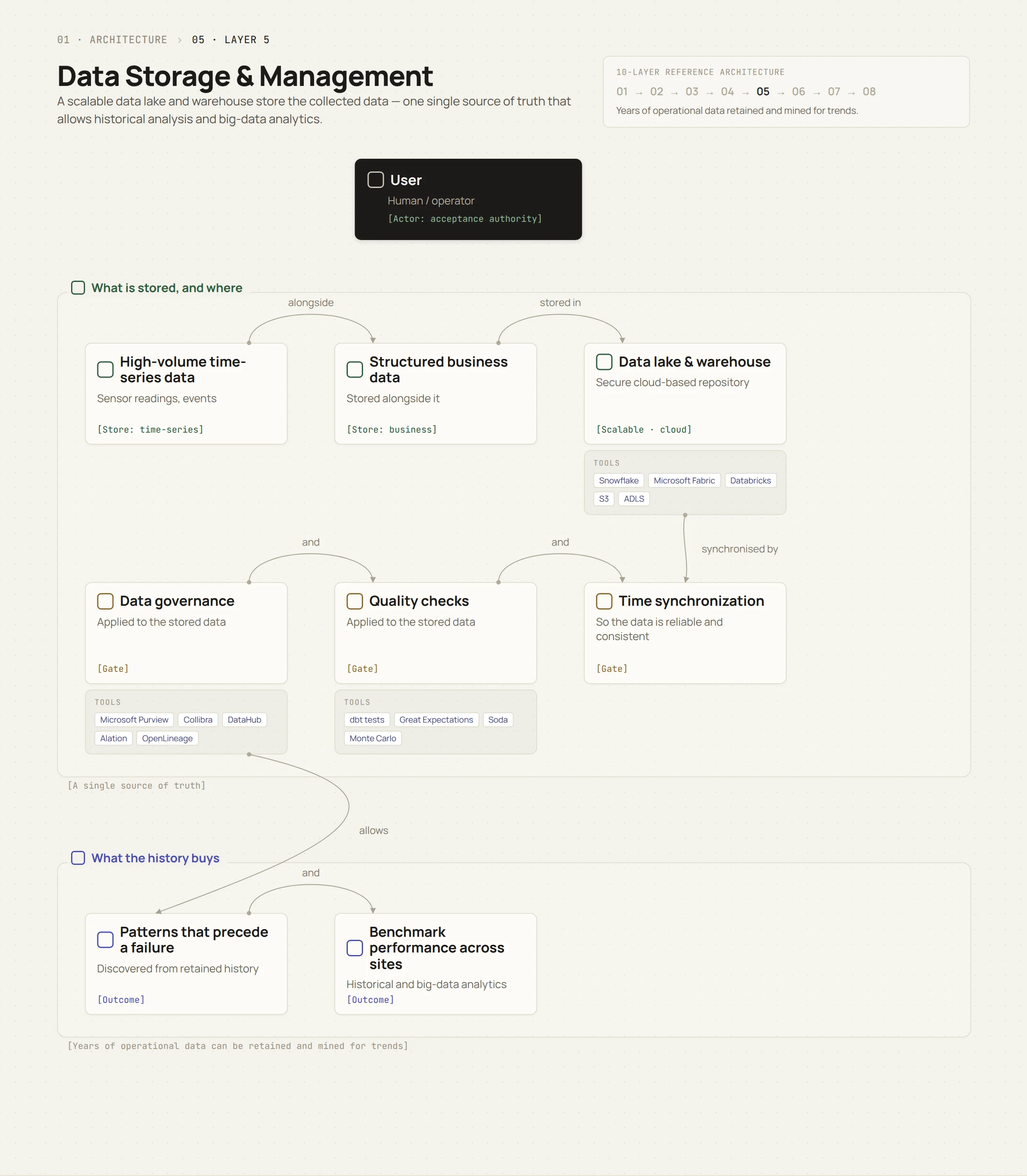
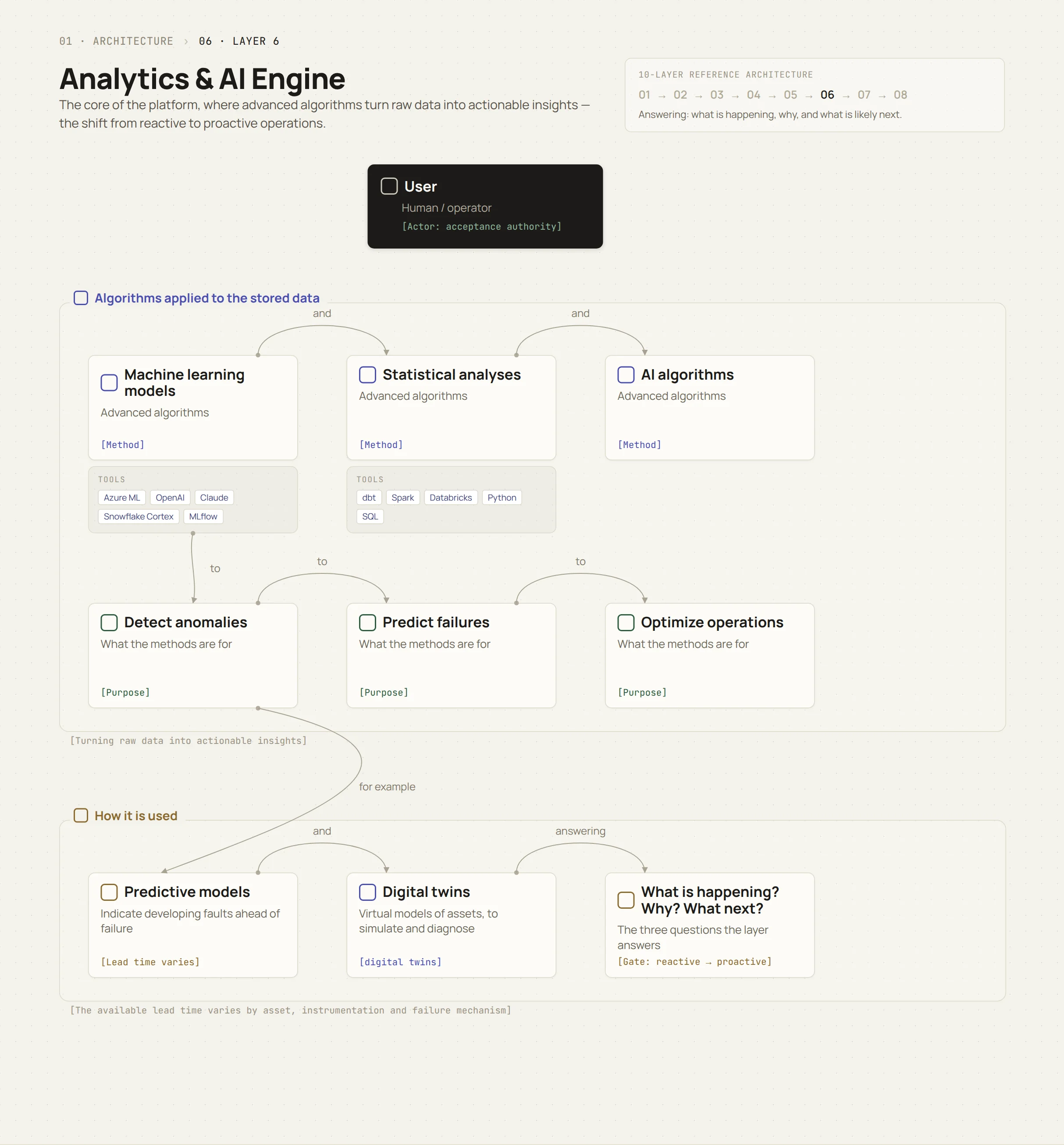
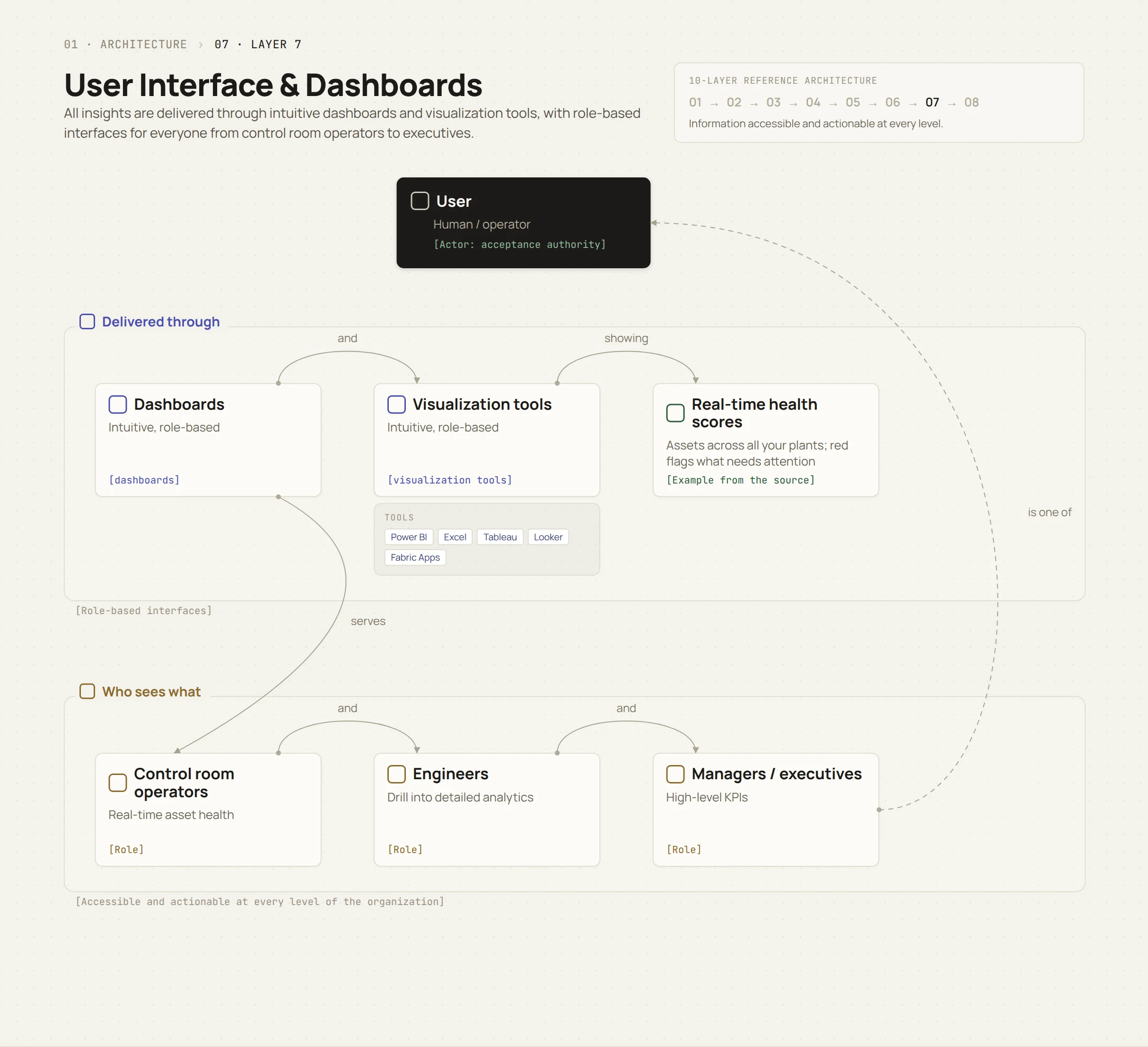
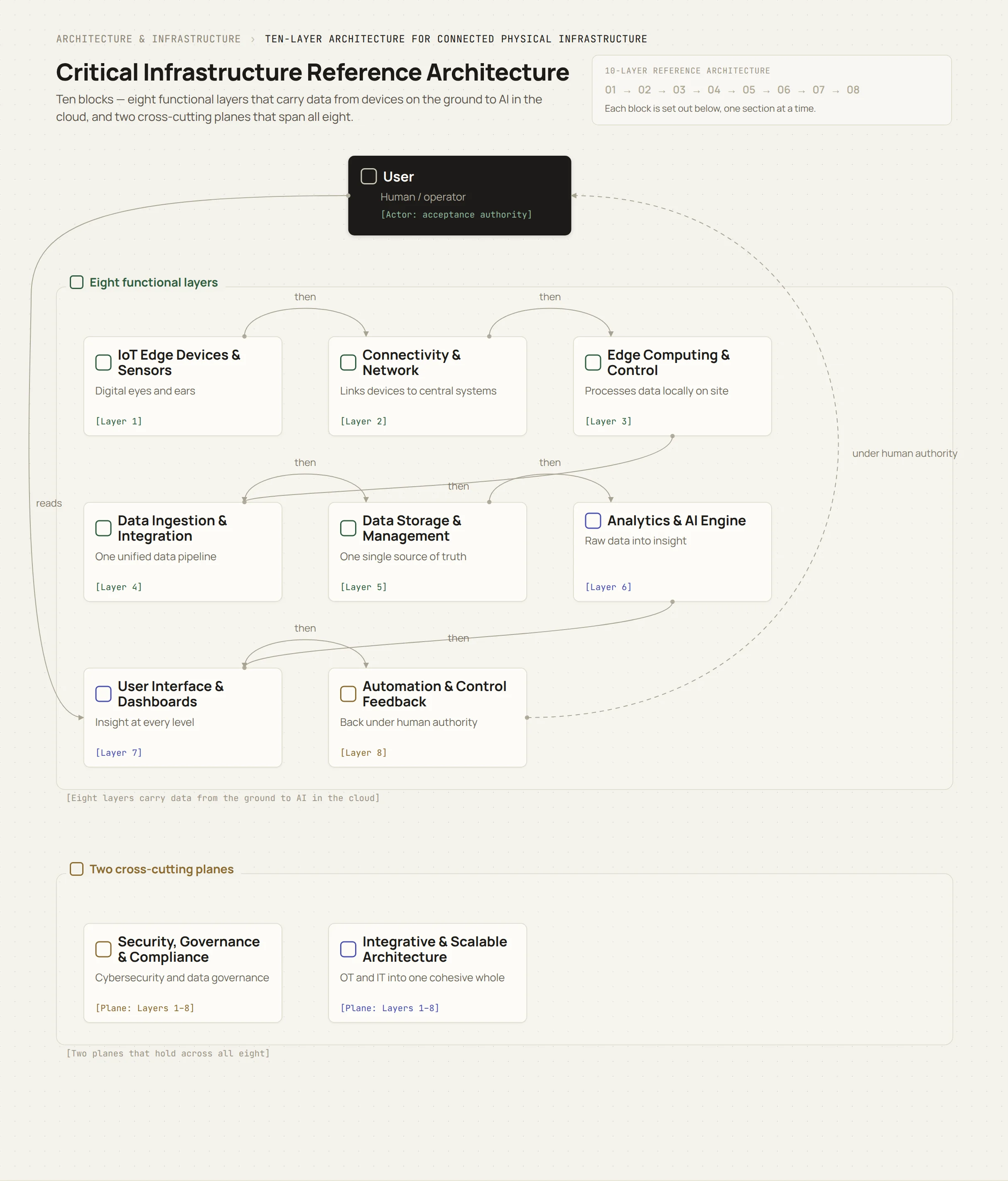
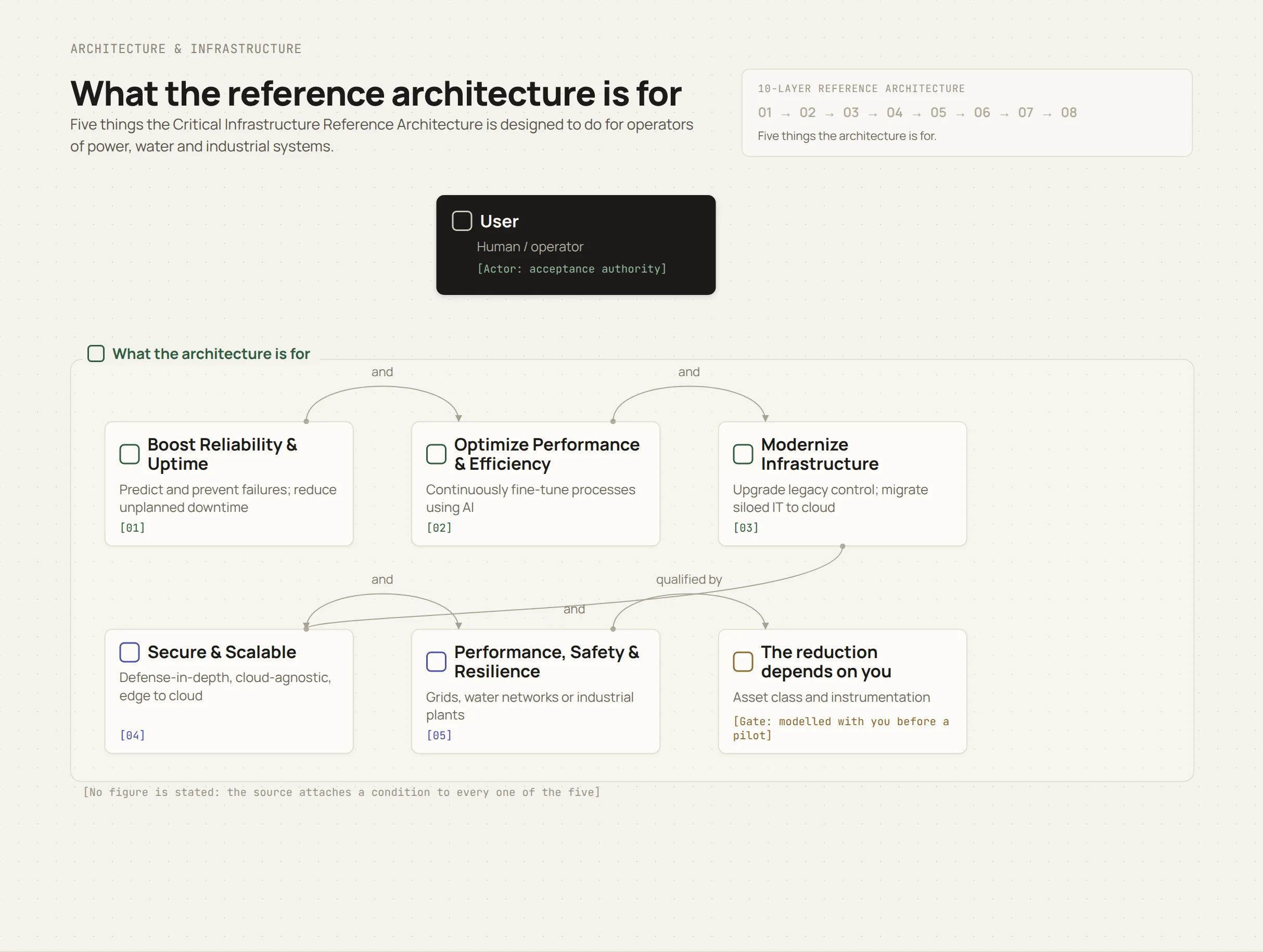
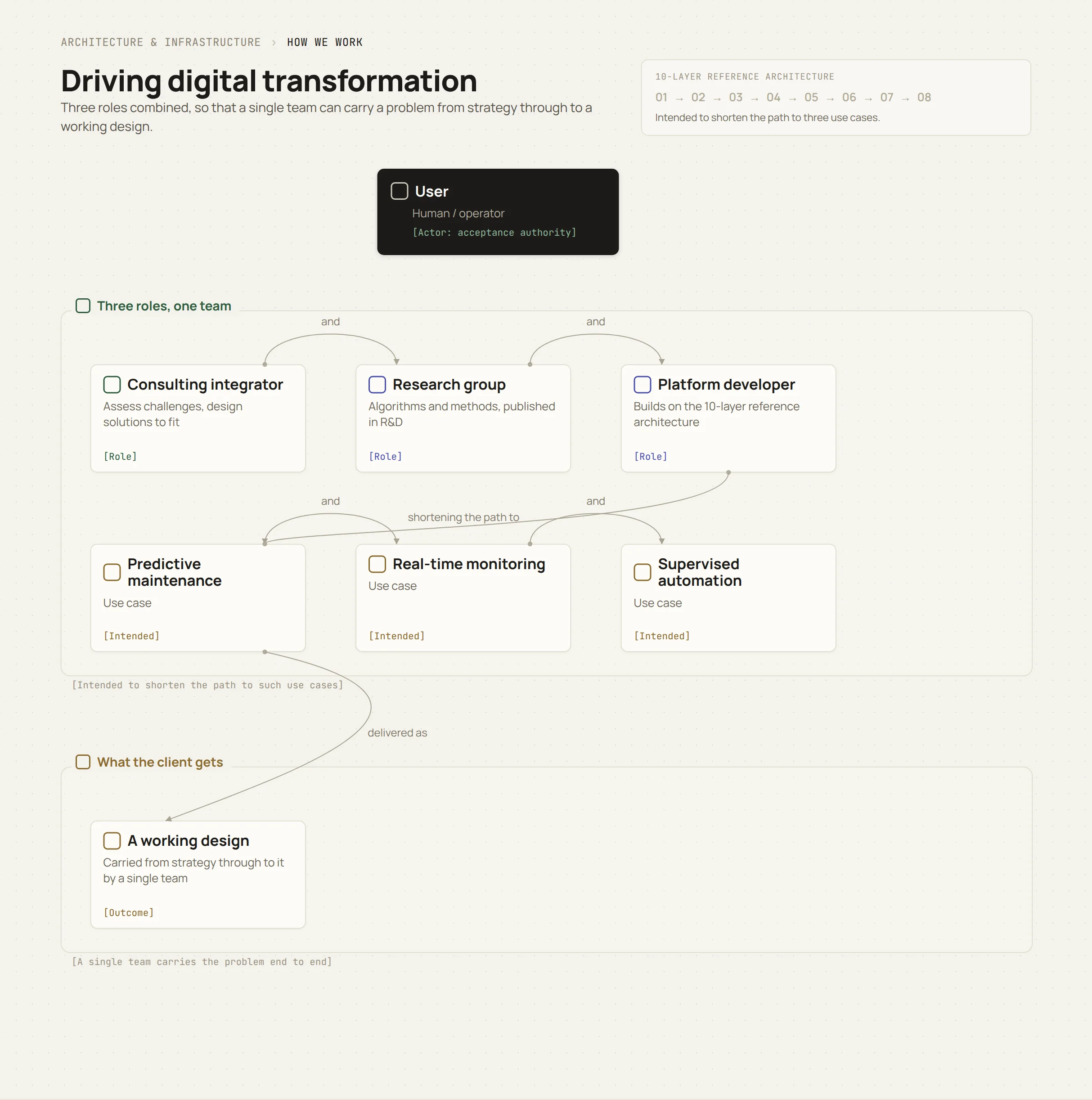
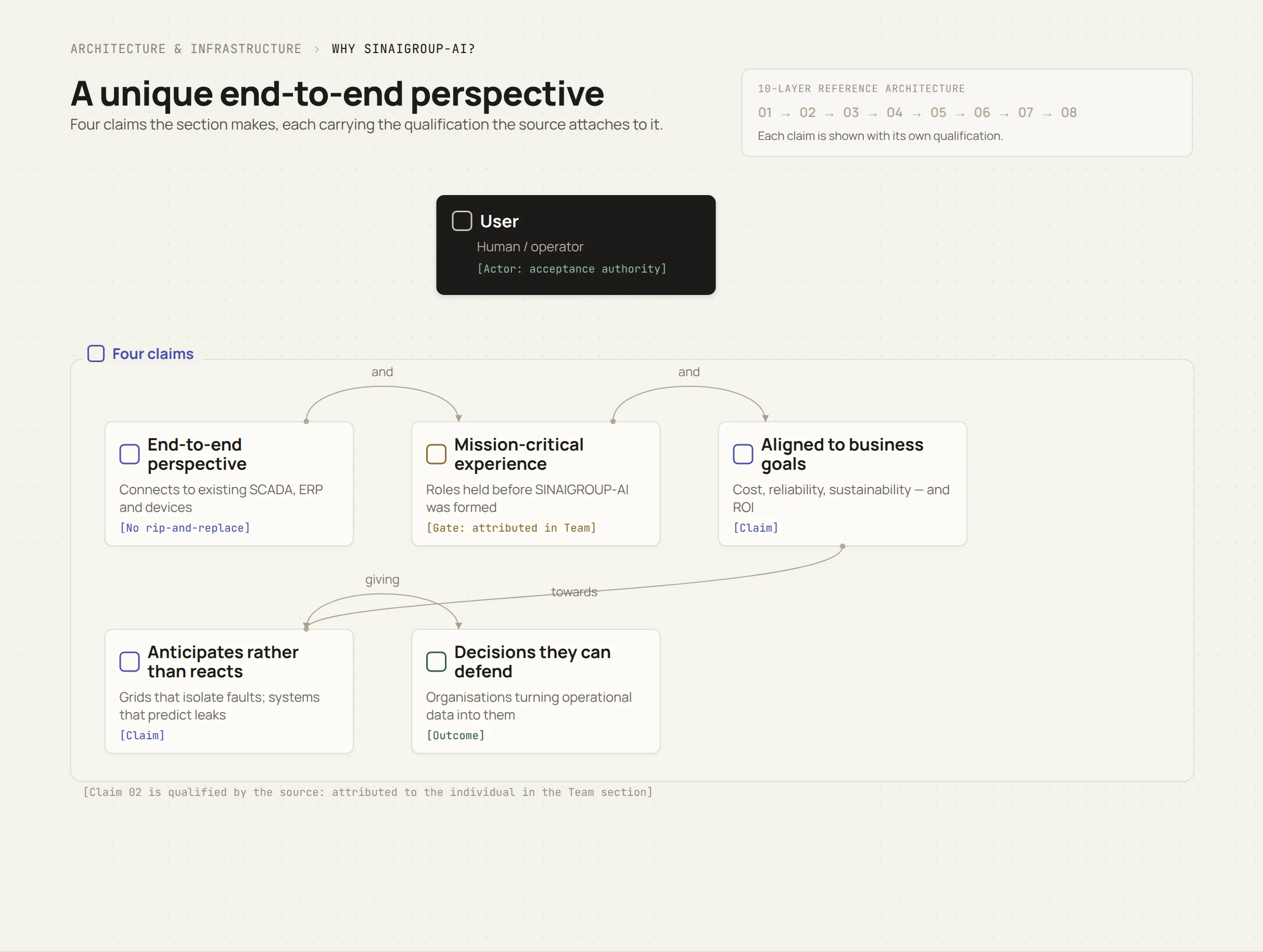
Six disciplines: Architecture & Infrastructure, AI Platform and Algorithms carry the work; Governance, Research and Economics bound, ground and measure it.
Open and zoom ↗
The shape of it

From data to
governed action

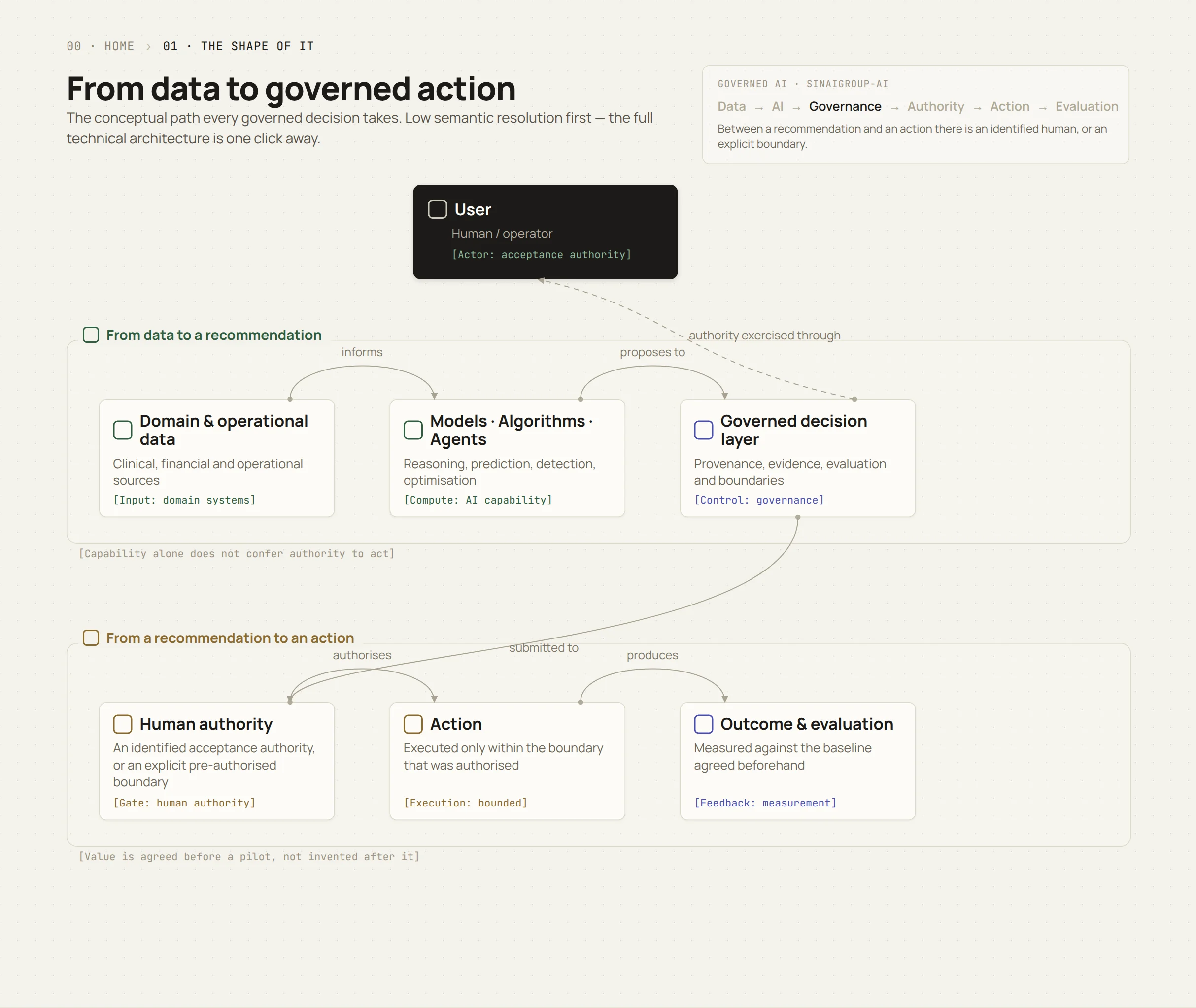
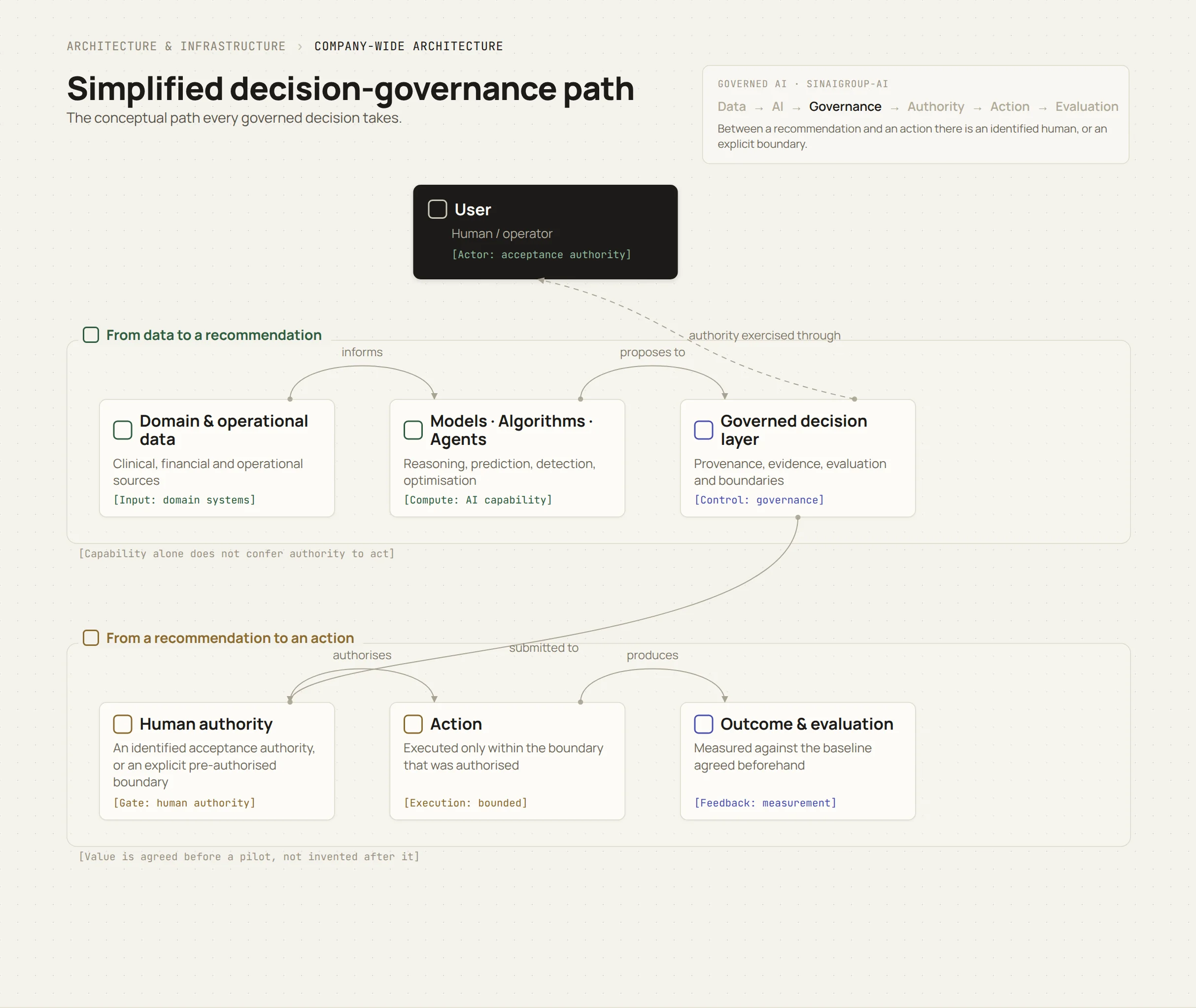
The conceptual path every governed decision takes. Low resolution first — the detailed architecture is one click away.

From data to governed action: domain and operational data inform models, algorithms and agents, which propose to the governed decision layer; that is submitted to human authority — an identified acceptance authority or an explicit pre-authorised boundary — which authorises action, which produces outcome and evaluation. Authority is exercised through the governed decision layer by the User.
Open and zoom ↗
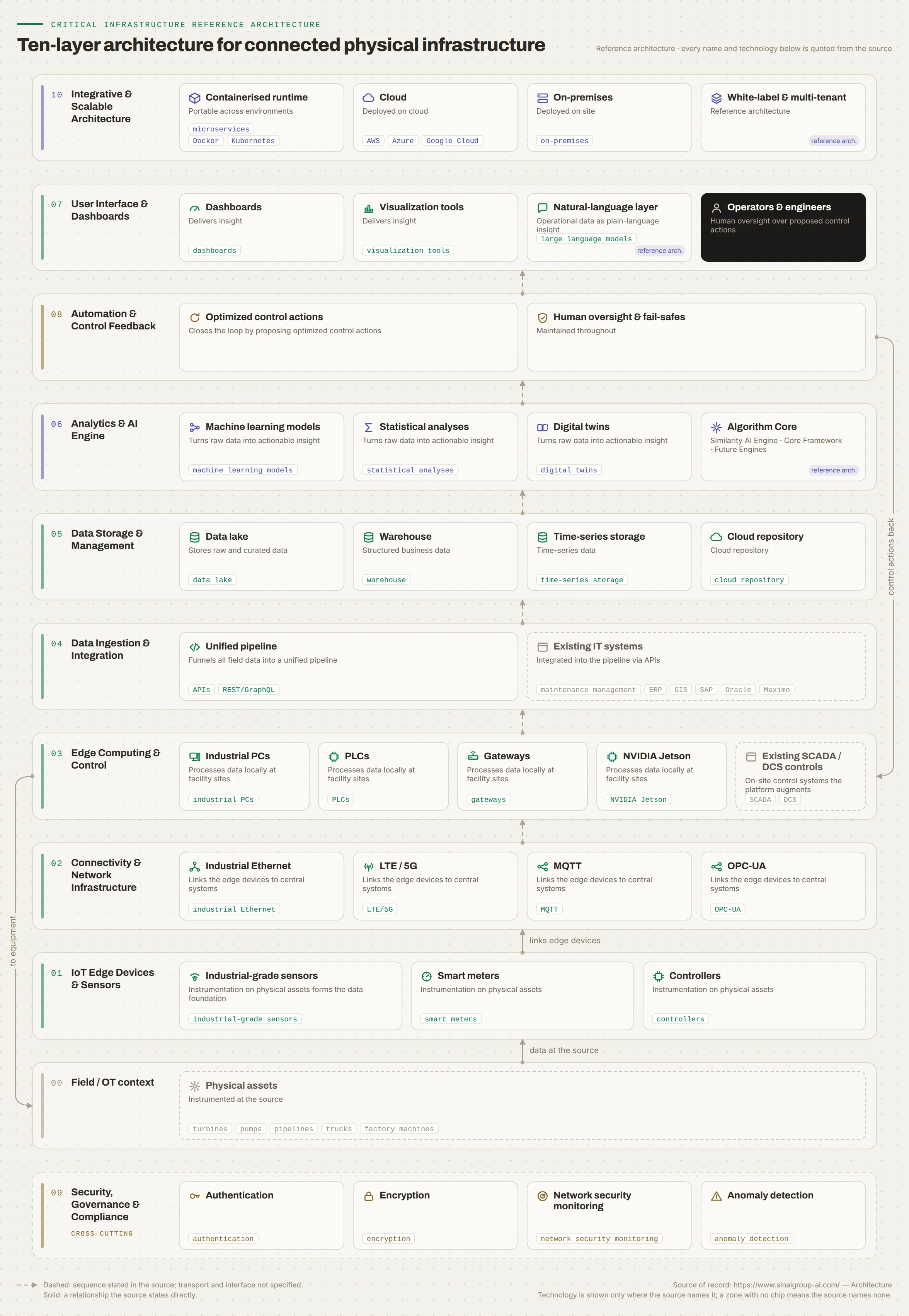
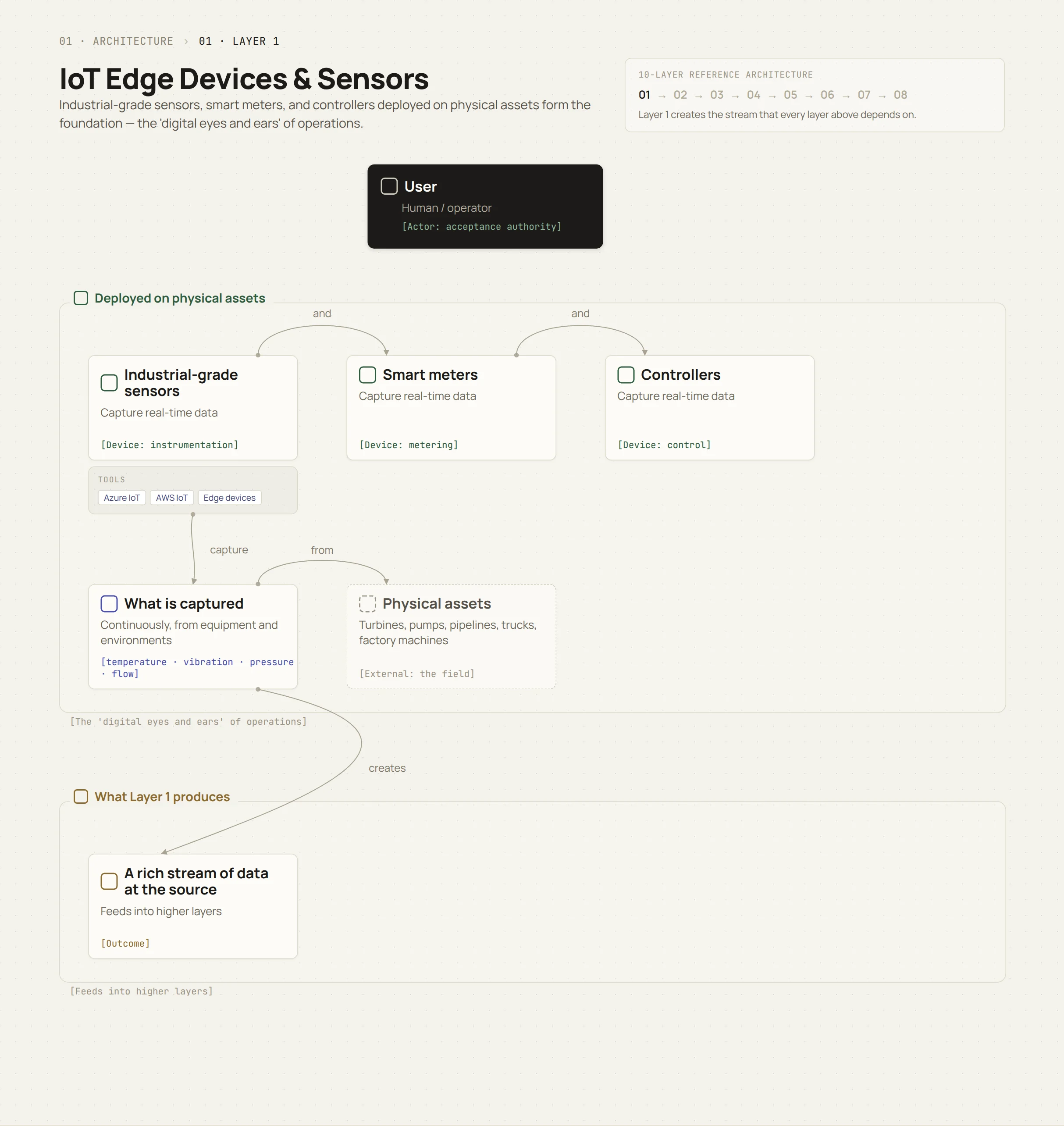
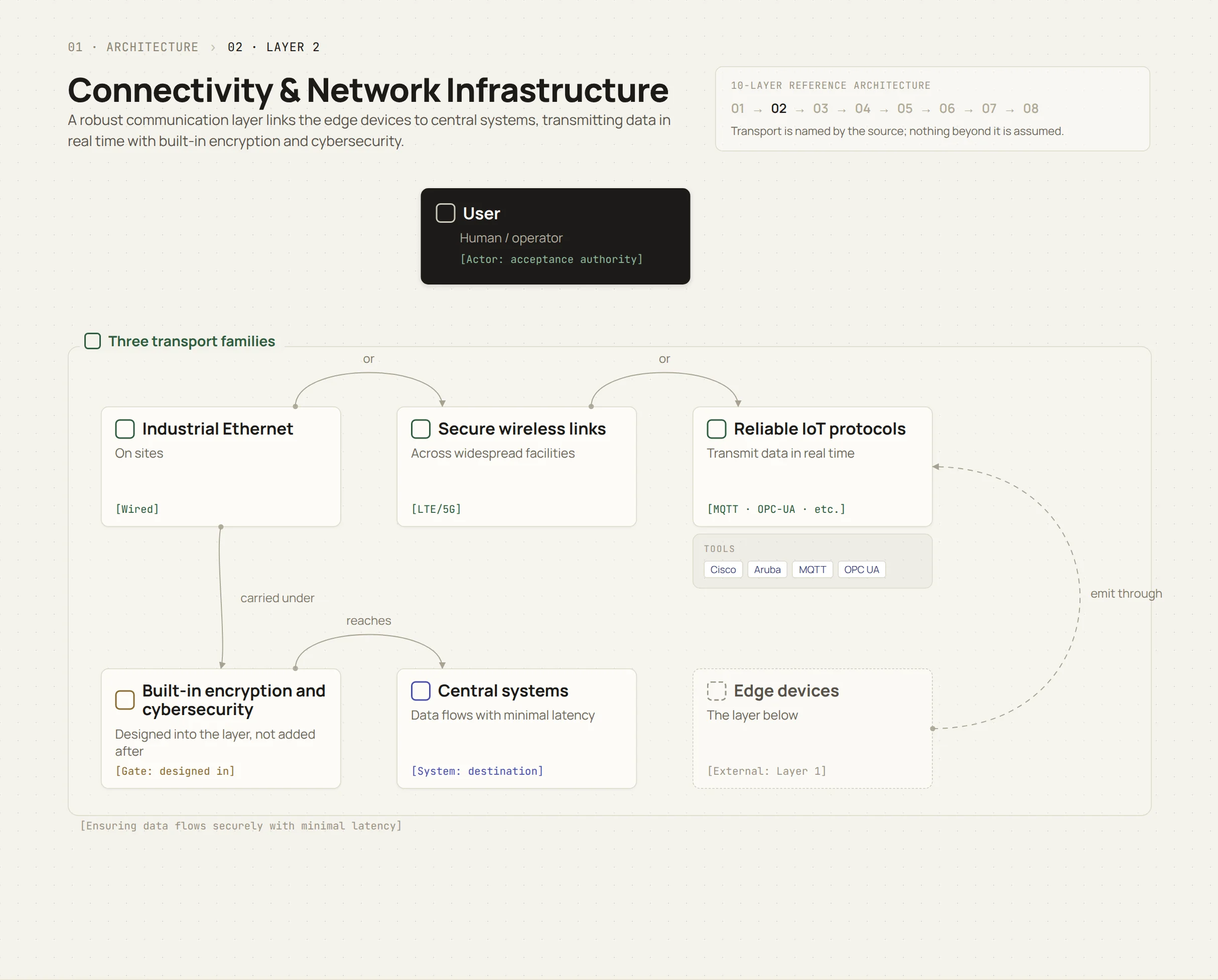
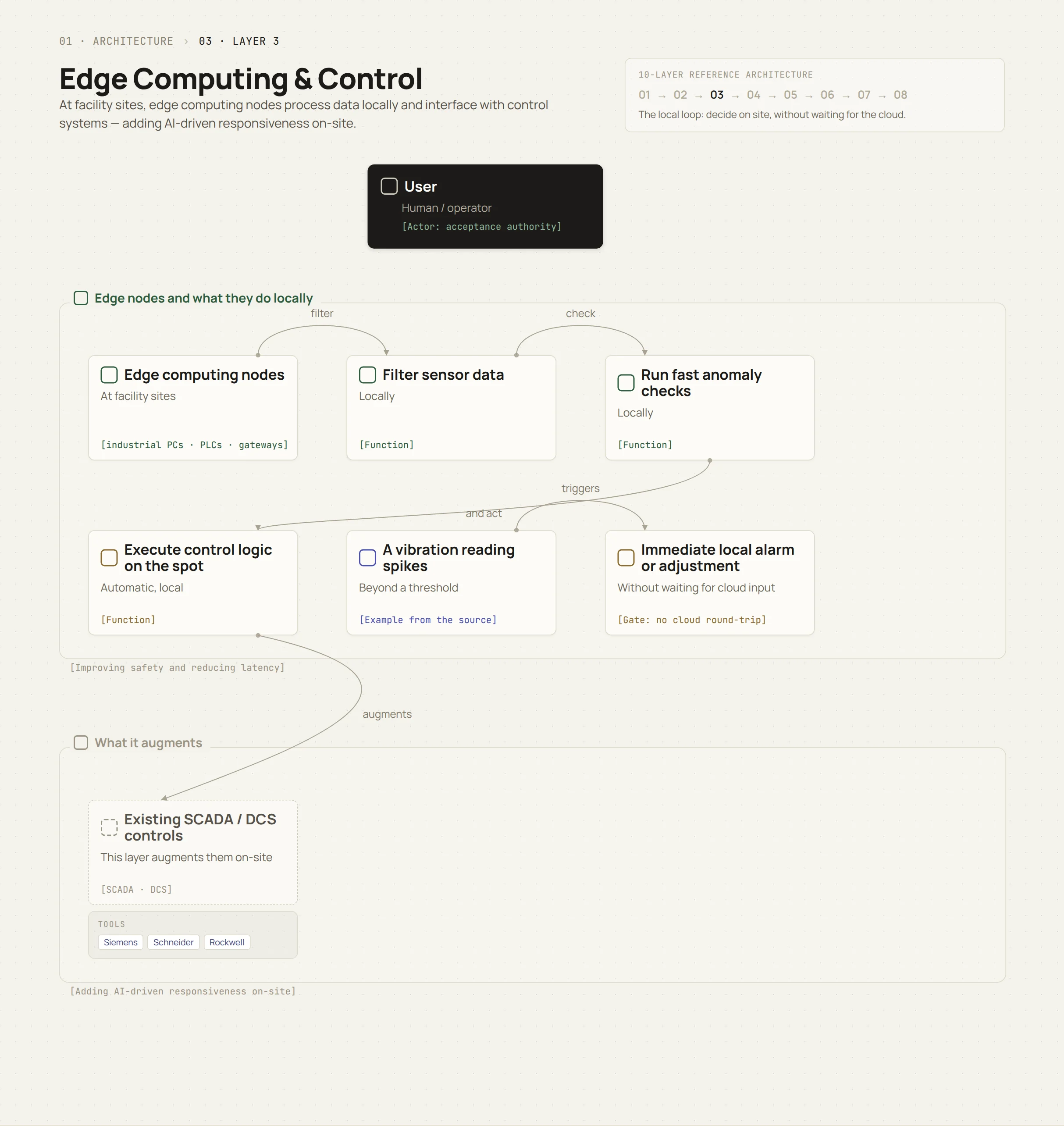
Open the full technical architecture →
Independence

Vendor-neutral
by design

We architect around an organisation's existing stack, integrate third-party technologies, and design and build the governed decision layer — provenance, acceptance authority and evaluation — on top of it.

Technology is selected for the problem, not for a vendor relationship.

Evidence

The method is
written down

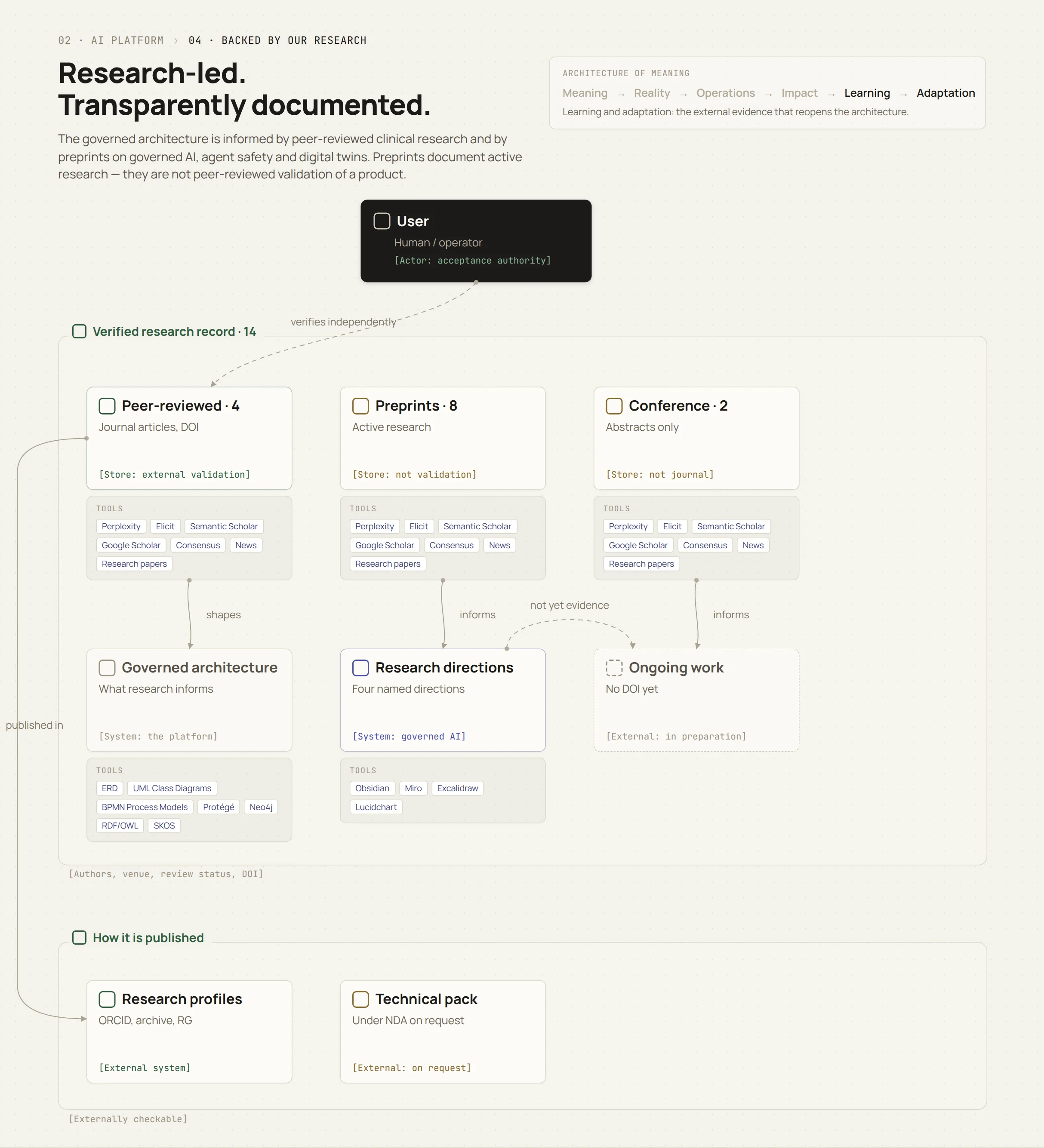
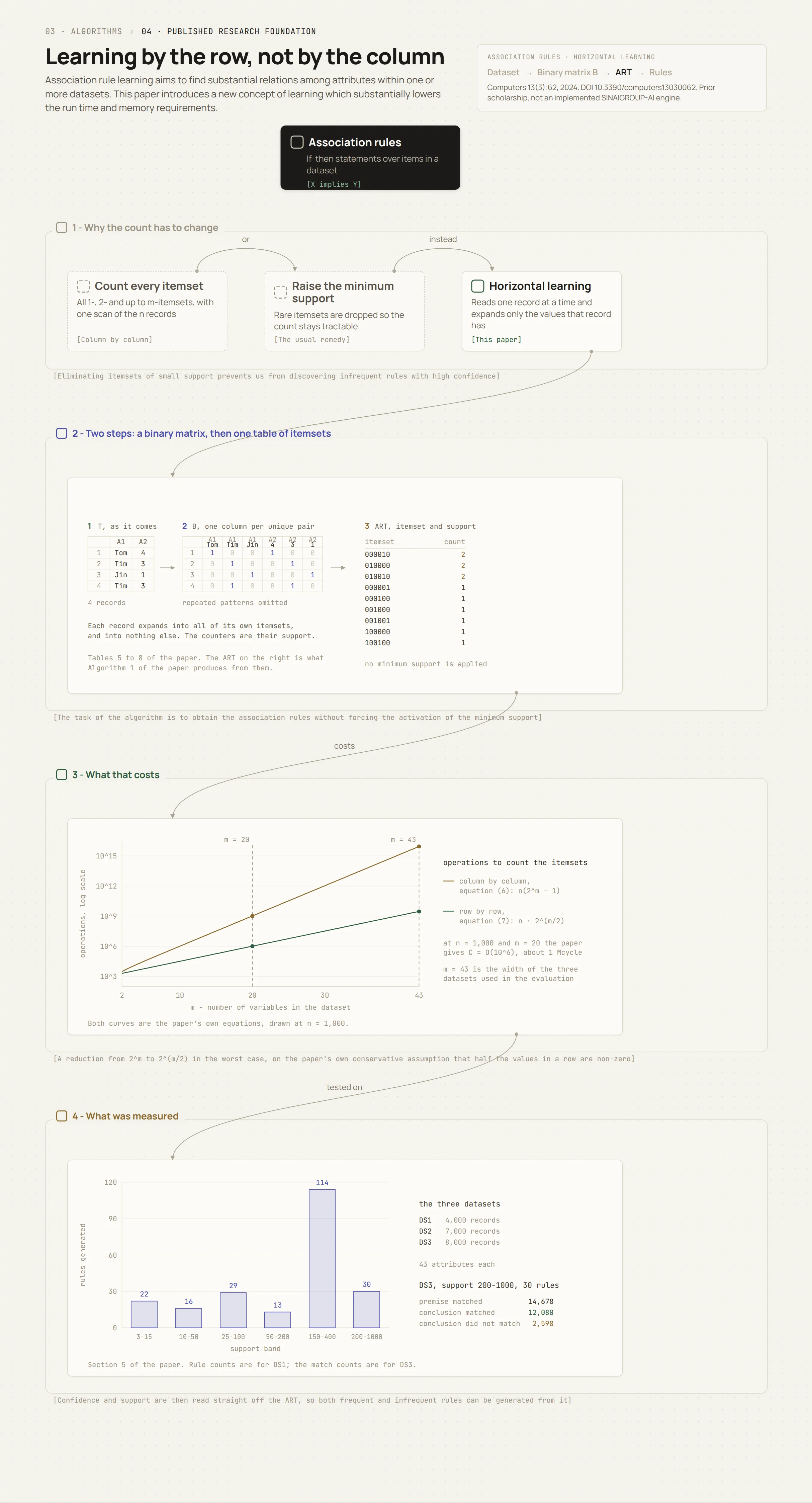
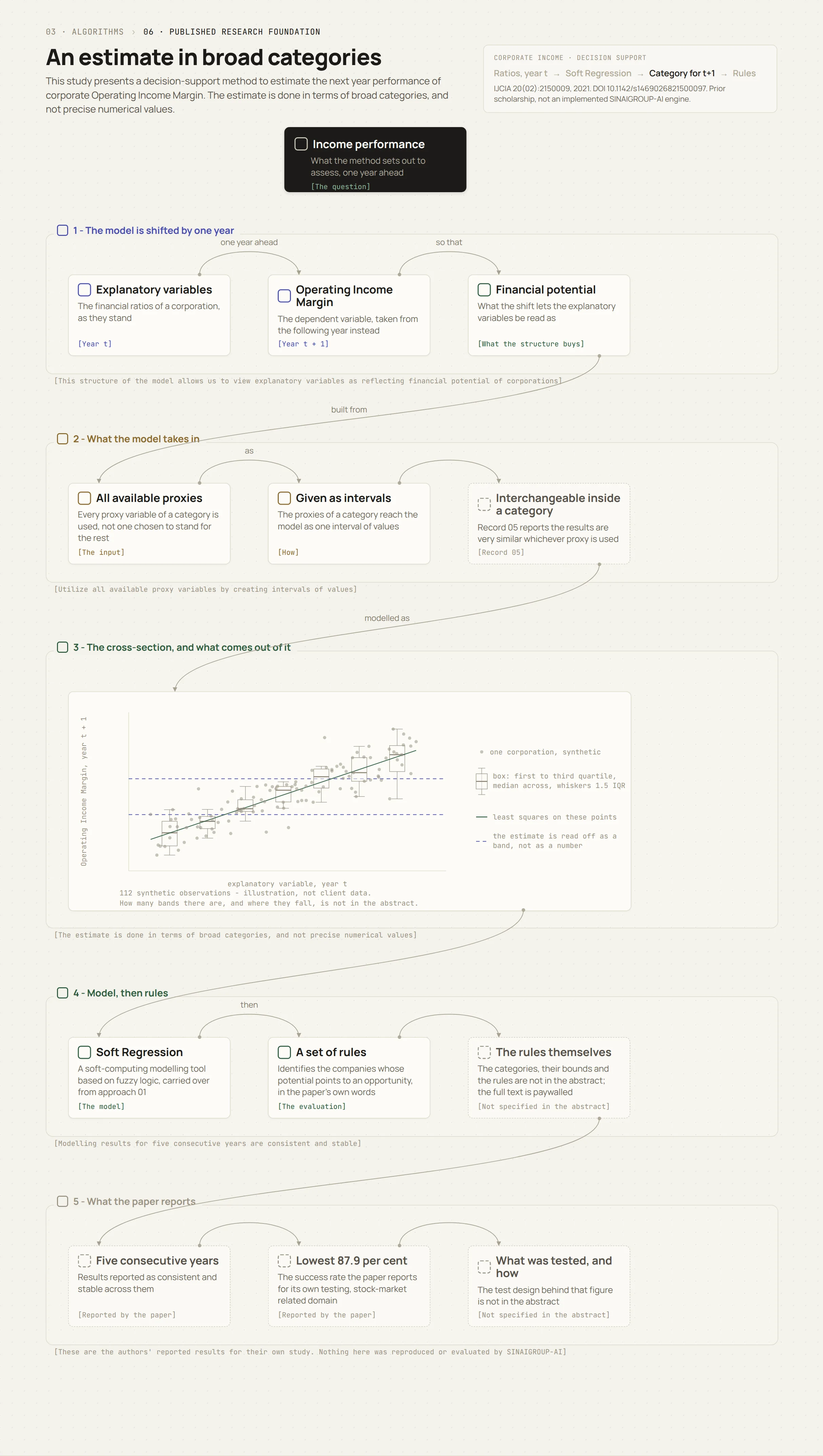
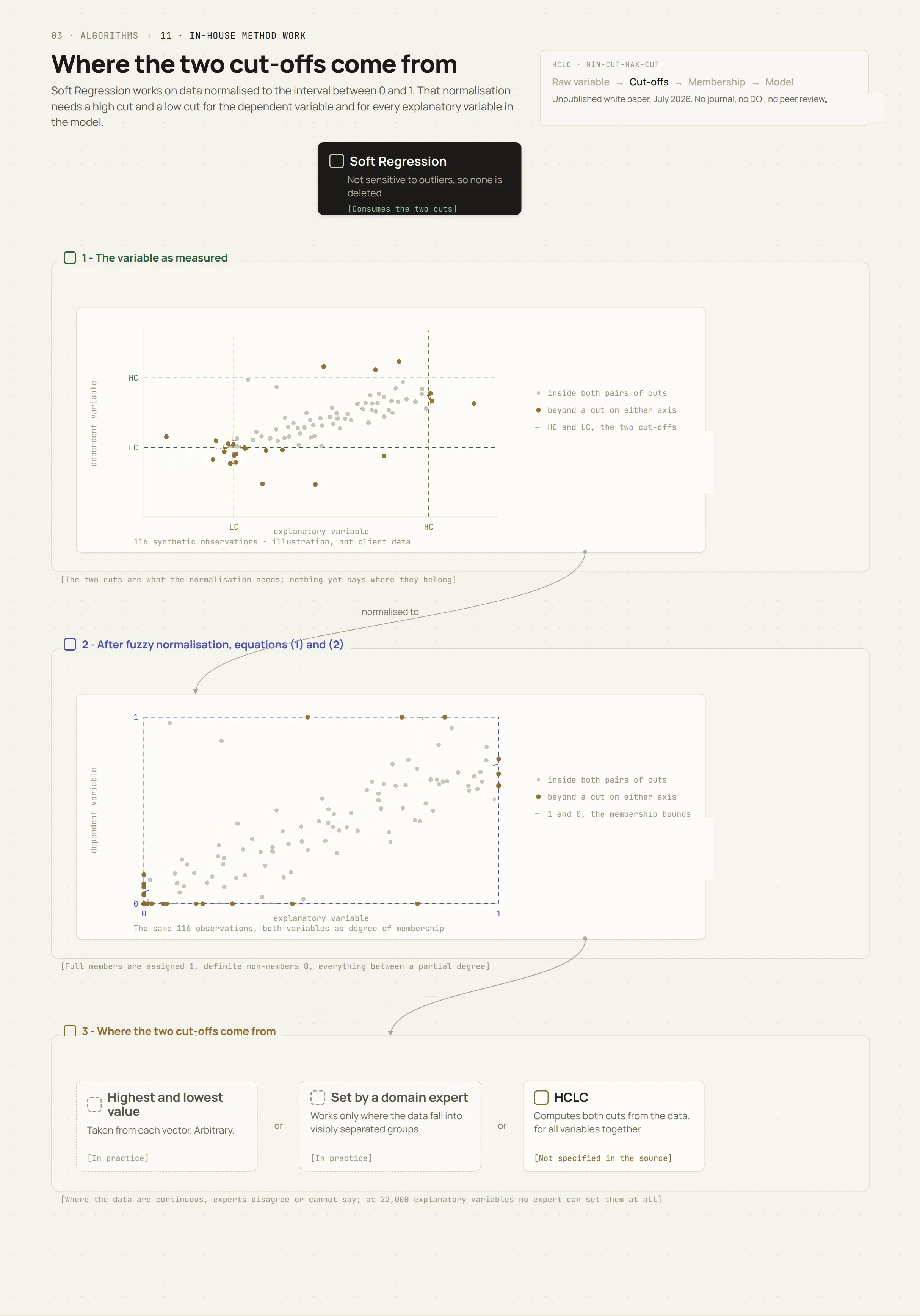
The governance concepts on this site — sound abduction, human acceptance authority, provenance, counter-evidence and agent robustness — are set out in a published record of peer-reviewed articles and preprints, led or co-authored by our CTO.

Preprints document active research. They are not peer-reviewed validation, and no publication here is evidence of a commercial product.

Open the research record →
Who does the work

Senior people stay
on the work

Three founders, a network of domain specialists engaged per assignment, and a limited number of engagements at a time.

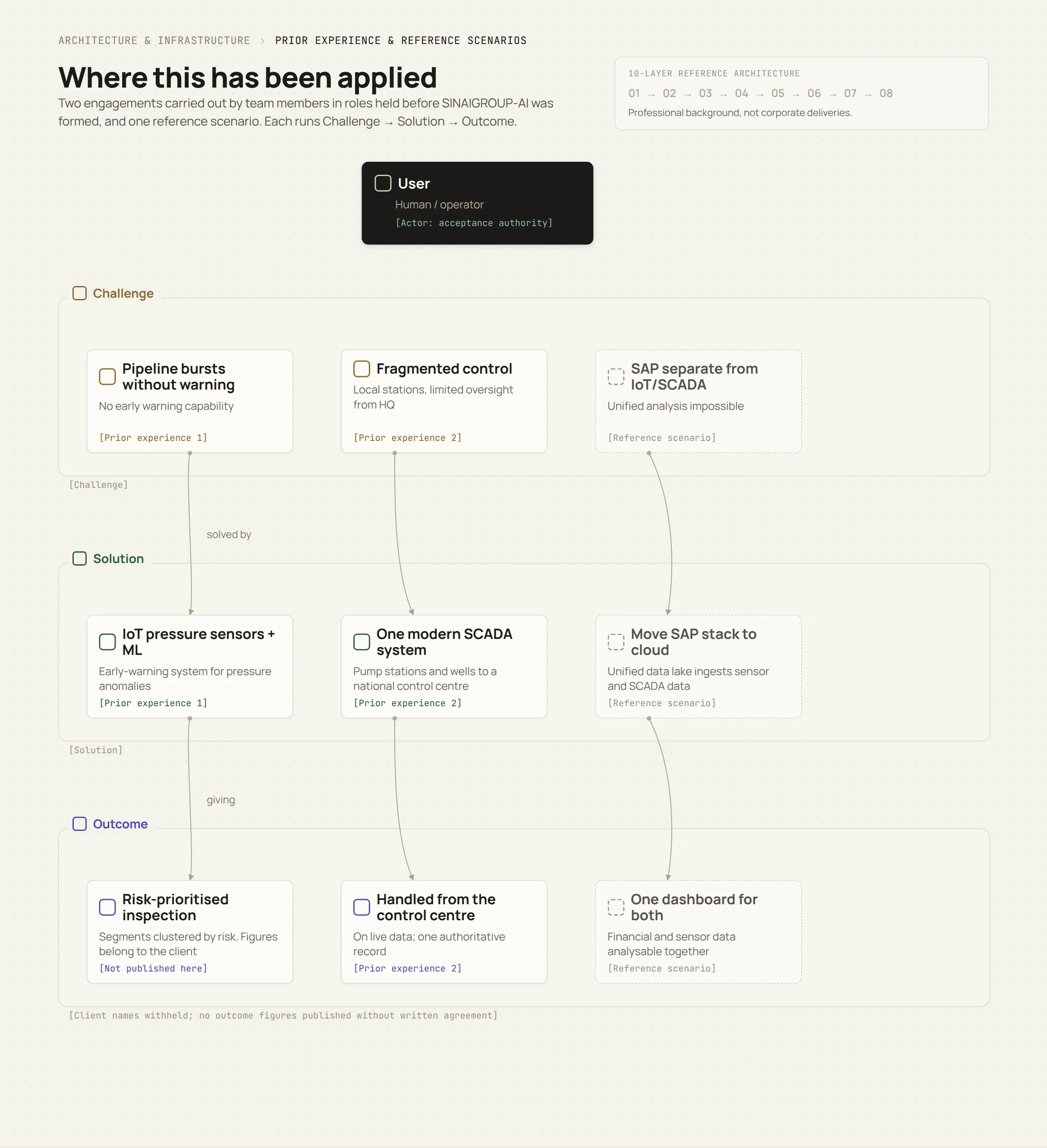
Senior people remain directly involved. Where a founder's experience predates SINAIGROUP-AI, it is presented as professional or research experience rather than as a company delivery.

Meet the team →
Economics

Governed AI must produce
measurable value

Baseline

What happens today?

What the current process costs or produces, established before anything is built.

Target

What measurable outcome should change?

Agreed in advance, in the organisation's own units, not in generic percentages.

Evaluation

Did it change, and what was it worth?

Measured against the baseline after the pilot, including the cases where it did not.

Start here

Discuss a high-stakes
AI decision

Tell us what decision matters, what evidence it depends on, and what happens if it is wrong.

Start the conversation →